Top 10 Forklift Service Tips for Efficient Operations?
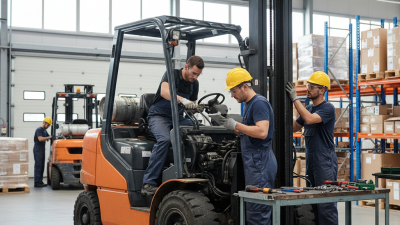
In the world of logistics, efficient operations depend heavily on reliable equipment. Forklifts are critical, yet often overlooked. John Harris, a renowned Forklift Service expert, emphasizes, “Preventive maintenance can save you time and money.” This insight highlights the importance of proper forklift care.
Service routines are key for optimal performance. Regular checks minimize downtime and enhance safety. However, many companies wait until problems arise before addressing forklift maintenance. This reactive approach can be costly and dangerous. Investing in proactive Forklift Service practices prevents small issues from leading to major repairs.
Efficiency means more than just productivity; it includes safety and reliability. Many operators underestimate the significance of skilled service technicians. Trust and expertise play vital roles in getting the best out of your fleet. Reflecting on practices can lead to improved operations and safety records. A well-planned maintenance strategy ensures your forklifts are always ready for the task at hand.
Essential Forklift Maintenance Practices for Optimal Performance
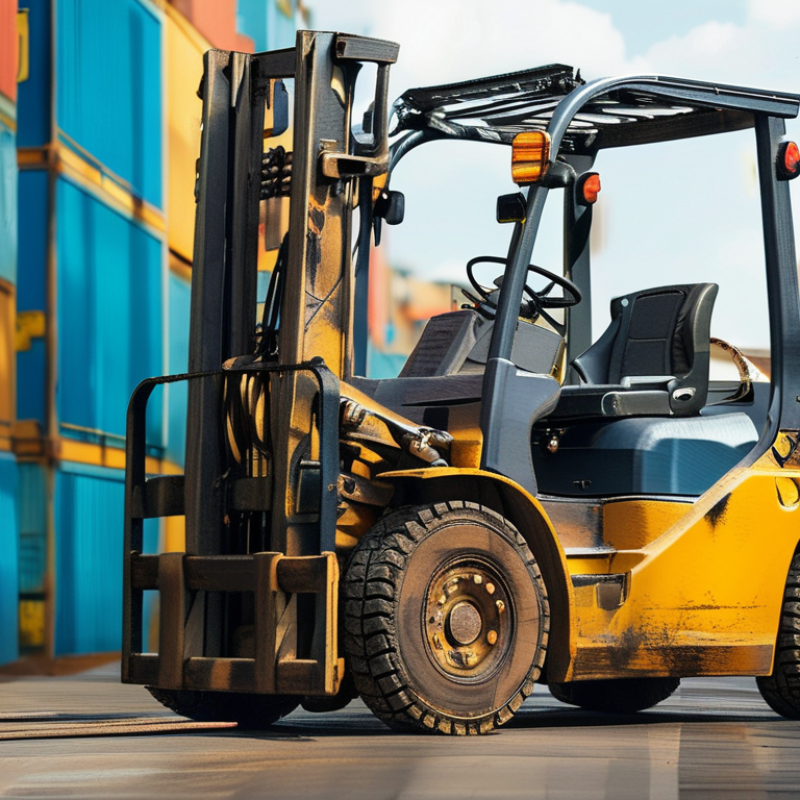
Forklifts are vital for warehouse operations. However, without proper maintenance, they can become a liability. Industry reports indicate that nearly 25% of all forklift accidents stem from mechanical failures. This highlights the importance of regular service and diligent upkeep.
Routine inspections are essential. Checking the fluids, brakes, and tires helps prevent costly repairs later. A recent study revealed that organizations conducting regular maintenance saw a 40% decrease in operational downtime. Scheduled service not only ensures safety but also enhances overall performance.
Training employees on proper usage is crucial. Many accidents occur due to operator error, often linked to a lack of knowledge. Providing hands-on training ensures that operators understand the full capabilities of the equipment. Investing in maintenance and training creates a culture of safety, ultimately improving productivity. Reflection on past issues can lead to better practices and a safer work environment.
Understanding Common Forklift Issues and Their Solutions
Forklifts are essential in many industries, but they can face several common issues. Understanding these problems helps in maintaining efficient operations. One frequent issue is battery failure. A weak battery can hinder lifting capacity and lead to unexpected downtime. Regularly checking the battery's health and ensuring it is charged can mitigate this issue.
Another common problem is improper steering. This can lead to accidents or damage. Operators should regularly inspect the steering components for wear and tear. Addressing this issue early can save time and resources in the long run. Additionally, noise during operation might indicate mechanical issues. Listening for unusual sounds is crucial. Ignoring these sounds often leads to larger, costlier repairs.
Forklift maintenance is vital. Routine checks provide insights into wear and potential failures. Documentation of inspections can help in identifying recurring issues. This attention to detail fosters a proactive approach to forklift management. Each problem offers an opportunity for learning and enhancing overall safety and efficiency in operations.
Best Practices for Training Operators on Forklift Safety
Training operators on forklift safety is crucial for preventing accidents. According to the Occupational Safety and Health Administration (OSHA), approximately 34,900 serious forklift accidents occur every year in the United States. These incidents often result in injuries or fatalities, not only impacting workers but also disrupting operations.
Effective training involves both theoretical knowledge and practical skills. A hands-on approach can help operators understand the real-world application of safety protocols. Studies indicate that companies with comprehensive safety training programs see up to 60% fewer accidents. The training should include familiarization with the equipment, hazard recognition, and emergency procedures. Regular refresher courses can reinforce this knowledge, keeping safety at the forefront of operators' minds.
Operators may display overconfidence after initial training. This can lead to complacency, increasing the risk of accidents. Continuous monitoring and feedback can help identify any gaps in skills. Encouraging open communication about safety concerns is essential. By fostering a culture of safety, companies can further minimize risks associated with forklift operations.
Top 10 Forklift Service Tips for Efficient Operations
Scheduling Regular Inspections to Prevent Breakdowns
Scheduling regular inspections is crucial for preventing forklift breakdowns. These inspections should not only focus on the obvious components but also delve deeper into less visible parts. Operators often overlook small wear and tear signs, which can lead to bigger issues. A thorough check can catch these early, saving time and money in the long run.
Creating a consistent schedule for inspections can help establish a routine. This is vital for maintaining efficiency in operations. It’s easy to push inspections aside in a busy environment, but neglecting them can lead to costly downtime. Operators should be trained to identify potential problems. Proper training can empower them to report concerns before they escalate.
Utilizing a checklist during inspections can enhance accountability. Checklists help ensure that no area is neglected. However, relying solely on checklists can create complacency. Operators must remain vigilant and proactive. Regular communication about the equipment’s status will also foster a culture of safety and reliability. Maintaining a focus on these inspections can lead to smoother operations and healthier equipment, but it requires dedication and mindfulness.
Implementing a Log System for Forklift Service History Tracking
Implementing a log system for forklift service history tracking is crucial for efficiency. This system allows operators to keep records of maintenance, repairs, and inspections. By documenting each service event, businesses can identify patterns and potential issues. For example, if a particular forklift requires frequent repairs, it may indicate deeper mechanical problems that need addressing.
A well-structured log system enhances transparency. Each team member can access the forklift’s service history. This openness leads to accountability in managing equipment and scheduling maintenance. Regular updates ensure no service events are overlooked. However, it’s easy to fall into the trap of incomplete logging. Neglecting to document minor repairs or routine inspections can create gaps in the information.
Developing a habit of recording every service is vital. It cultivates a culture of maintenance awareness within the team. Training staff on the importance of this log can be beneficial. They should understand that efficient forklift operations hinge on reliable service records. This shared responsibility can minimize equipment downtime and extend the lifespan of forklifts. A consistent log system ultimately supports smoother operations and enhances productivity.