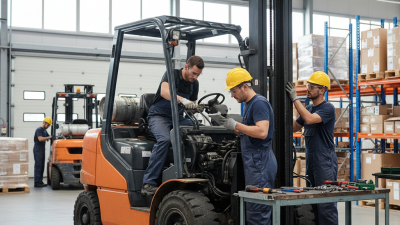
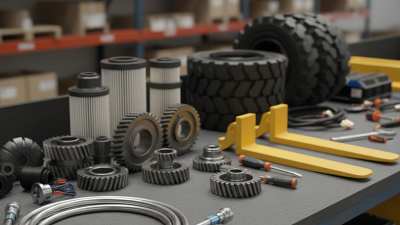
Why Is Regular Forklift Service Essential for Your Business?
Regular forklift service is vital for any business that relies on these machines for material handling. According to the Occupational Safety and Health Administration (OSHA), improper maintenance can lead to accidents, costing businesses significant amounts in fines and damages. In fact, nearly 34,000 injuries related to forklifts occur every year in the United States alone.
Ensuring consistent forklift service not only boosts safety but also prolongs the lifespan of your equipment. A report by the Industrial Truck Association indicates that well-maintained forklifts can operate 20% more efficiently. However, many businesses overlook this essential maintenance due to budget constraints or time limitations. Neglecting regular service may result in more substantial costs down the line.
Moreover, forklift service contributes to operational reliability. Equipment failures can halt productivity, impacting revenue. Organizations often fail to realize that the cost of emergency repairs can exceed routine service expenses. Fostering a culture that prioritizes regular forklift service can significantly enhance efficiency and safety, creating a more reliable work environment.
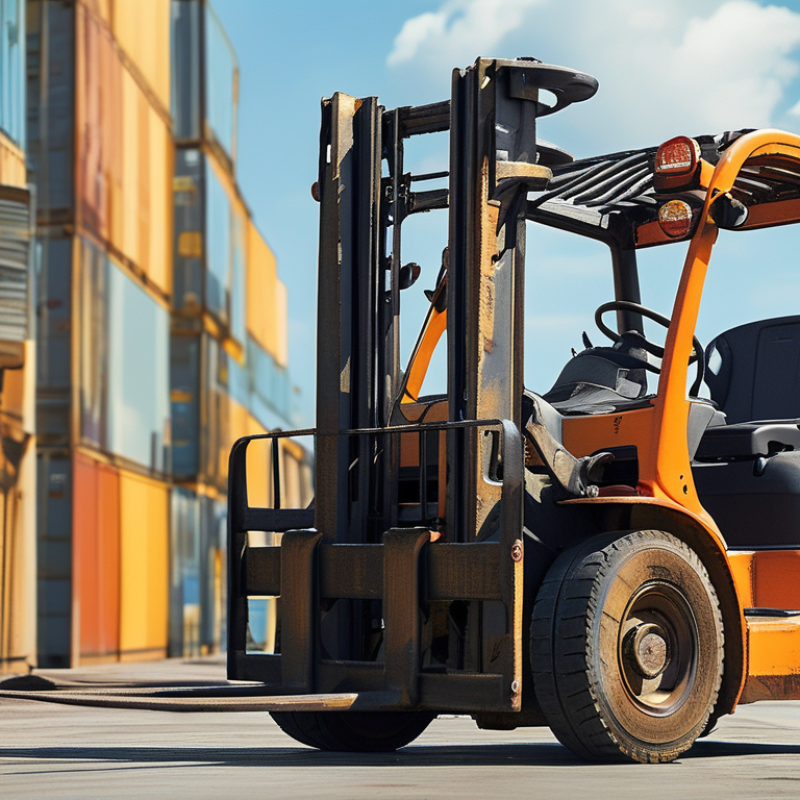
Importance of Regular Forklift Service for Operational Efficiency
Regular forklift service is crucial for maintaining operational efficiency in any warehouse or logistics environment. Ensuring your equipment runs smoothly can minimize unexpected breakdowns. This keeps productivity levels high and helps avoid costly delays.
Routine inspections and maintenance can identify potential issues before they escalate. Simple tasks, like checking fluid levels and brakes, can prevent major failures. A well-maintained forklift not only promotes safety but also enhances the lifespan of the equipment. This leads to significant cost savings over time.
Tips to enhance forklift service include keeping a detailed service log. This helps track maintenance history and can pinpoint recurring issues. Train employees to report unusual sounds or performance glitches. Early detection can lead to quicker, less expensive repairs. Always consult a certified technician for complex issues. Their expertise can provide insights that may not be apparent to non-experts. Regular service and mindful operation lead to a more efficient, safer workplace.
Key Benefits of Routine Maintenance for Forklifts
Routine maintenance for forklifts is not just a suggestion; it is essential for ensuring the efficiency of your operations. Regular servicing helps identify potential issues early. For instance, checking hydraulic fluid levels and brake systems can prevent costly breakdowns. Even minor oversights, like a worn-out tire, can lead to accidents or delays. A well-maintained forklift operates smoothly, leading to higher productivity on the warehouse floor.
Another key benefit is safety. A forklift in poor condition increases the risk of accidents, which can result in injuries and financial losses. Regular checks ensure that safety features are functioning correctly. For example, inspecting warning lights and horns might seem trivial, but they are crucial for communicating with workers. Neglecting these checks can have dire consequences.
Lastly, consistent maintenance can extend the lifespan of your equipment. Forklifts are significant investments, and regular service helps protect that investment. Owners might think they are saving money by avoiding service, but this is often a false economy. Unexpected repairs can be much more expensive. Additionally, well-maintained forklifts retain their resale value better than those that are neglected.
How Regular Servicing Reduces Safety Risks in the Workplace
Regular servicing of forklifts is crucial to maintaining a safe workplace. According to the Occupational Safety and Health Administration (OSHA), forklift accidents cause over 7,000 injuries annually in the United States. Many of these incidents stem from mechanical failures or improper operation. Regular inspections can identify potential issues before they escalate, ensuring that equipment functions correctly and safely.
Safety inspections should be part of a comprehensive maintenance plan. Research from the National Safety Council indicates that businesses implementing routine equipment checks can reduce workplace accidents by up to 30%. This reduction not only protects employees but can also lower liability costs for the company. Forklift operators should be trained to recognize warning signs, further reinforcing a culture of safety in the workplace.
Ignoring maintenance can lead to more frequent breakdowns. This may increase downtime and disrupt productivity. A 2019 survey revealed that nearly 40% of businesses faced unexpected equipment failures. Investing in regular servicing prevents these surprises. It fosters a reliable work environment, ultimately improving operational efficiency. Overlooking these practices poses risks that could destabilize your operations and harm your workforce.
Cost Savings from Preventive Forklift Maintenance Strategies
Regular forklift maintenance can lead to substantial cost savings for businesses. Preventive strategies reduce the likelihood of breakdowns that can halt operations. A well-maintained forklift is less likely to incur expensive repairs. Regular checks can identify small issues before they escalate. Addressing minor wear and tear early is less costly than reacting to major failures. Scheduled maintenance helps in keeping operational efficiency high.
Ignoring maintenance can cost more in the long run. Every day a forklift is out of service represents lost productivity. The financial impact of downtime can be severe. Safety risks also increase when equipment isn’t properly maintained. Accidents can result in both injuries and costly liabilities. Employees need to work in a safe environment, and regular checks contribute to that.
Implementing a planned maintenance program can be straightforward. Keeping track of service schedules may require effort, but it pays off. Involve your team in the process to ensure everyone understands the importance. Reflecting on maintenance practices can reveal areas for improvement. It’s essential to adapt and evolve strategies to meet changing business needs. Regular maintenance can seem like a chore, yet the benefits are clear.
Selecting the Right Forklift Service Provider for Your Business Needs
Selecting the right forklift service provider can be challenging. Look for a company with a solid track record. Experience is crucial; providers with years in the industry understand varied business needs. They should offer tailored services that match your specific equipment and workload.
Another vital factor is their technical expertise. Knowledgeable technicians can diagnose issues quickly. This efficiency minimizes downtime, keeping your operations running smoothly. Ask about their training programs. Continuous education in the latest technology shows commitment to quality service.
Consider customer feedback when choosing a provider. Reviews can reveal insights into their reliability and response times. A dependable partner means fewer worries and smooth operations. It’s worth taking the time to research before making a decision. Investing effort upfront can pay off significantly in the long run.