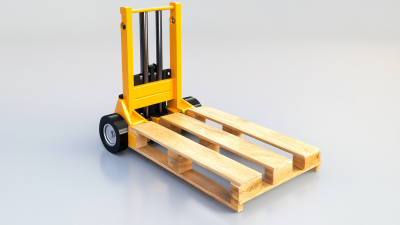
2026 Top Forklift Repair Services What Do Buyers Need?
In 2026, choosing a dependable Forklift Repair service means looking beyond fast promises and attractive prices. Buyers need technicians who understand electric, diesel, and LPG forklifts in real working conditions. A repair delay can leave a warehouse with stopped aisles, missed loading windows, and frustrated operators.
The strongest service providers combine practical experience with documented technical training. They inspect hydraulic leaks, worn mast chains, damaged forks, battery faults, and brake performance carefully. They should explain the fault in plain language before recommending parts or labor. Clear estimates matter. So do realistic arrival times.
Records matter greatly. Buyers should ask for inspection reports, service histories, warranty terms, and evidence of qualified technicians. Reliable companies use suitable diagnostic tools and follow manufacturer guidance where available. They also understand that every site differs. A cold storage facility may stress batteries differently from a busy outdoor yard.
No ranking is perfect. Service quality can change between branches, technicians, and busy seasons. That is why buyer reviews should be compared with direct questions and recent references. Ask how emergency calls are handled. Ask whether replacement parts are genuine, approved, or carefully matched alternatives. Ask what happens if the same fault returns.
The best choice is not always the cheapest quote. It is the provider that reduces repeat failures, communicates honestly, and protects equipment uptime. Buyers should examine response speed, technical depth, safety habits, and long-term support before signing a service agreement. Reliability is built through consistent work, not confident wording alone.
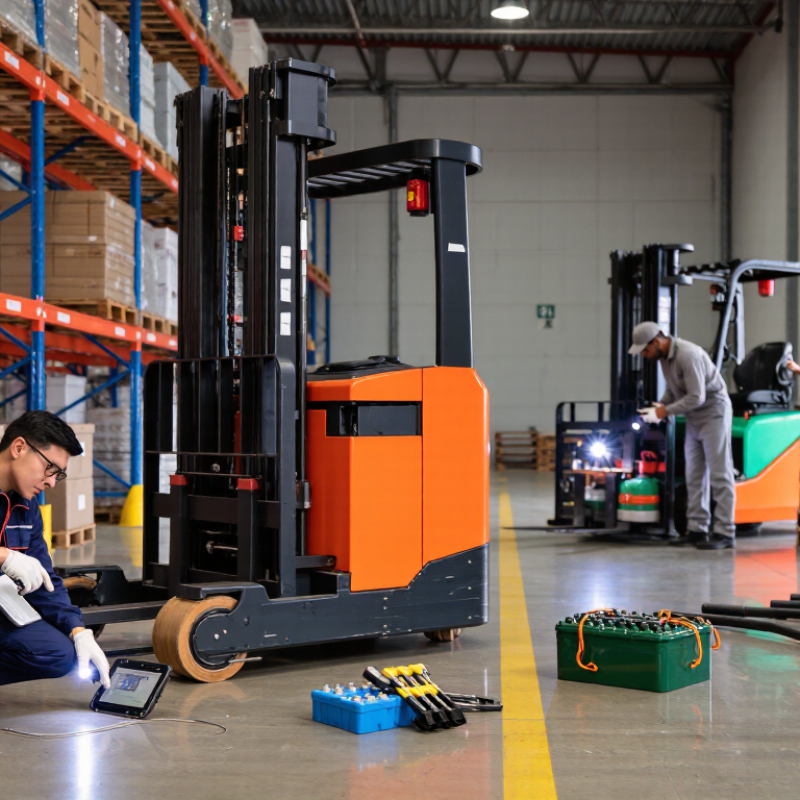
Forklift Repair Demand: OSHA Reports 85 Deaths and 35,000 Serious Injuries
OSHA reports 85 forklift-related deaths and 35,000 serious injuries. These figures should change how buyers evaluate repair services. A low hourly rate means little when a brake fault stops a loaded machine. Safety starts with evidence.
Experienced repair providers inspect brakes, steering, tires, forks, chains, hydraulics, alarms, and seat restraints. They should document worn parts, test results, and recommended repairs. Ask whether technicians understand load capacity and daily operating conditions. A repair plan without clear records is difficult to trust.
Response time also matters. A trained technician can reduce unsafe workarounds during busy shifts. Replacement parts should match the equipment’s specifications, not merely fit the assembly. Maintenance schedules must reflect dust, uneven floors, cold storage, and heavy cycling.
No repair process catches every problem. That weakness deserves honest discussion. Operators may ignore unusual vibration or a slow hydraulic leak. Buyers should ask how those reports are logged and escalated. Reliable service includes follow-up inspections after major repairs, not just a signed invoice. Teams need practical guidance, too. A five-minute handover can reveal a recurring fault that paperwork misses.
Technician Standards: ANSI/ITSDF B56.1 Compliance and OEM Training
In 2026, buyers should judge forklift repair services by technician competence, not response time alone. ANSI/ITSDF B56.1 sets essential expectations for safe operation, inspection, maintenance, and equipment condition. A qualified technician should understand load capacity, stability triangles, braking systems, mast components, and hydraulic risks. They should also document each repair clearly.
OSHA estimates that powered industrial trucks cause about 35,000 serious injuries and 85 fatalities annually in the United States. That figure makes technician training a purchasing issue, not paperwork. Technicians need equipment-specific training, current service procedures, and practical experience with diagnostics. OSHA 1910.178 also requires operator training and evaluation at least every three years, with refresher training after incidents or unsafe operation. Repair providers should support that process through inspection records and clear handover notes.
Ask for proof.
Training certificates matter, but they are not enough. Buyers should review sample inspection reports, escalation procedures, and response practices for recurring faults. A competent technician can explain why a worn fork, leaking cylinder, or weak brake creates a specific hazard. They should also know when a repair requires technical support or further testing. Even experienced teams miss details under pressure. Independent audits and second checks can expose those gaps. ANSI/ITSDF B56.1 compliance is a strong baseline, while manufacturer-specific training helps technicians apply the correct tolerances, diagnostic methods, and replacement procedures. Reliability comes from both.
Provider Value: Response Time, Uptime, Warranty, and Total Repair Cost
In 2026, forklift buyers should judge repair providers by measurable value, not impressive promises. Response time matters when a loaded truck stops in a narrow aisle. A clear service target should state arrival times for urgent and routine repairs. Minutes matter. However, fast arrival means little if the technician lacks the right diagnostic tools or replacement parts.
Uptime depends on accurate troubleshooting and durable repairs. Experienced technicians inspect warning codes, hydraulic leaks, mast movement, battery connections, and tire wear before replacing components. A useful provider records recurring faults and suggests practical maintenance changes. For example, checking a loose battery connector may prevent repeated shutdowns during a busy shift. I have seen teams approve the cheapest repair, then pay more after the same fault returns. That assumption fails.
Warranty terms also deserve careful attention. Buyers should confirm coverage periods, labor protection, excluded parts, and response procedures in writing. A longer warranty is not automatically better. It may hide narrow conditions or slow claim handling. Total repair cost includes travel fees, diagnostic charges, replacement parts, rental equipment, overtime, and lost operating hours. A provider who explains these costs clearly is easier to trust. Still, estimates can be imperfect when hidden damage appears after disassembly. Reliable service means documenting the change, seeking approval, and explaining the operational risk before continuing.