
Restroom Stall Walls are a critical component of public sanitation. They provide privacy and separation in shared facilities. Understanding their materials can help improve their durability and cleanliness. According to industry reports, over 70% of restroom stalls in commercial spaces use plastic laminate or metal for construction. These materials are favored for their resistance to moisture and ease of cleaning.
However, not all solutions are perfect. Some materials, like particleboard, can deteriorate quickly in damp environments. This raises concerns about maintenance practices and longevity. Reports indicate that poorly maintained stalls result in increased repair costs and user dissatisfaction. It's vital for facility managers to consider both aesthetics and functionality when choosing restroom stall walls. Awareness of these aspects can drive better choices in design and upkeep.
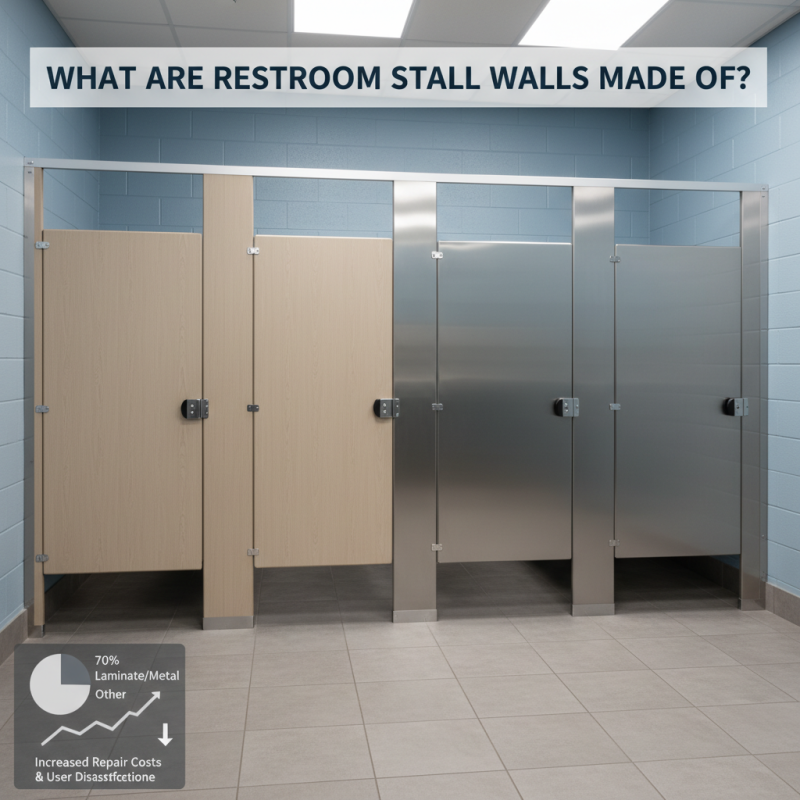
Restroom stalls are essential for privacy and convenience. The materials used for their walls greatly affect durability and maintenance. One common choice is laminate. It combines formica or plastic with a honeycomb core. This material resists scratches and moisture. Reports indicate that laminate walls can last up to 10-15 years in high-traffic areas.
Another popular option is solid plastic. It's tough and prevents rust or corrosion. According to industry studies, solid plastic panels can withstand considerable wear and tear, lasting 15-20 years with proper care. Their impervious nature makes them easy to clean. Unfortunately, solid plastic can be more costly upfront, which might deter budget-conscious facility managers.
Stainless steel is also favored for its sleek finish. However, it can dent easily and may show fingerprints. This presents a challenge in aesthetics and upkeep. The ideal choice depends on location and usage. Each material has its pros and cons. It's crucial to balance costs, maintenance needs, and lifespan when making a decision for restroom stalls.
| Material | Durability | Maintenance | Cost Range |
|---|---|---|---|
| Steel | High | Low | $300 - $800 |
| Plastic Laminate | Medium | Medium | $200 - $600 |
| Solid Plastic | Very High | Low | $400 - $1000 |
| Aluminum | High | Medium | $350 - $900 |
| Wood | Medium | High | $300 - $700 |

When considering restroom stall walls, durability is key. Common materials include plastic, laminate, and metal. Each option offers unique benefits and drawbacks. Plastic is lightweight and resistant to moisture, but scratches easily. Laminate, while stylish, can be prone to chipping over time. Metal walls present strength but may rust without proper maintenance.
Maintenance practices are crucial for extending the lifespan of these materials. Regular cleaning prevents buildup and damage. However, some cleaners can be too harsh for certain finishes. It's essential to test products on less visible areas. Many stalls suffer from neglect. Issues arise when regular checks aren't conducted. Cracked or faded walls impact user experience.
Ultimately, choosing the right material depends on specific needs. Location and traffic levels matter. Some materials may seem appealing but require significant upkeep. Careful consideration ensures a balance between aesthetics and functionality. Finding that balance can be challenging but is necessary for a lasting investment.
Restroom stall walls are made from various materials, each with distinct characteristics. Common options include plastic laminate, stainless steel, and plywood. Studies show that nearly 50% of public restrooms use plastic laminate due to its affordability and resistance to moisture. It remains a popular choice, but longevity can be an issue.
Stainless steel offers durability and an aesthetic appeal. Many facilities prefer it for high-traffic areas. According to a 2022 industry report, 30% of stalls in busy places are made from stainless steel. However, its higher cost can deter some budgets. Maintenance can also be tricky, as fingerprints easily show on surfaces.
Plywood stalls provide a cost-effective solution. They are approximately 20% cheaper than laminate options. Yet, these stalls suffer from susceptibility to damage and water. An inspection report indicated that over 40% of plywood stalls developed issues within five years. Choosing the right material involves reflecting on trade-offs, including budget, longevity, and maintenance challenges. Each option carries strengths and weaknesses, highlighting the complexity of restroom stall design.
The choice of restroom stall wall materials significantly impacts the environment. Many stalls are made from plastic, metal, or wood. Each material has unique qualities. However, they also present various ecological concerns.
Plastic stall walls are often made from recycled materials. While this reduces waste, plastic can still take hundreds of years to degrade. In a report by the Environmental Protection Agency, it was noted that over 25 million tons of plastic went to landfills in the past year alone. This highlights a significant challenge in waste management. Recycled content does not always guarantee sustainability.
Metal stalls, often made from steel, may seem durable. However, their production is energy-intensive. The World Steel Association reported that steel production accounts for about 7% of global CO2 emissions. The long-term effects include pollution and resource depletion. These are issues we can't overlook. On the other hand, wooden stalls can appear eco-friendly, yet deforestation poses a major environmental threat. Overharvesting wood can lead to habitat loss, affecting biodiversity. Each material thus carries weighty implications, necessitating careful thought in our choices.
Restroom stall walls are evolving. Recent trends highlight a shift towards sustainable and durable materials. Research shows that about 70% of new installations prefer materials that are eco-friendly. For example, recycled plastic and composite materials are gaining popularity. These innovations reduce waste and provide resilience against wear and tear.
Design is also changing. Many facilities now focus on aesthetics. A report indicates that 65% of users appreciate modern, visually appealing designs. Traditional choices like stainless steel and laminate are still common. However, they often fall short in terms of customization. Newer options allow for vibrant colors and textures, enhancing the users' experience.
Despite advancements, challenges remain. Some materials may not withstand heavy usage. Durability concerns can lead to higher long-term costs. Innovative solutions must balance aesthetics with practicality. It's essential to rethink choices, prioritizing both form and function in restroom environments. As design and innovation progress, the industry must reflect on needs and longevity.
Content © 2025 Komatsu. All Rights Reserved