What is Metal Forge and How Can it Benefit Your Business?
Metal Forge is a transformative technology in the manufacturing sector. It combines traditional forging techniques with advanced materials science. This synergy results in products that are not only strong but also lightweight and durable.
Implementing Metal Forge can streamline production processes. Companies can reduce material waste while enhancing the quality of their outputs. Customization becomes more accessible, allowing for tailored solutions that meet specific client needs. Moreover, the scalability of Metal Forge technology supports both small and large production runs.
However, adopting Metal Forge is not without its challenges. Businesses must invest in training and equipment. Ensuring proper integration with existing systems can require time and resources. Companies should evaluate these factors carefully. Successful implementation can lead to significant cost savings and improved competitiveness in the market.
What is Metal Forge and its Role in Manufacturing Industries?
Metal forging is a vital process in manufacturing. It transforms raw metal into durable components through shaping and compressing. This method offers precision and strength, essential for various industries like automotive and aerospace. Manufacturers often turn to metal forge for its ability to produce intricate designs. These parts are not only lightweight but also exhibit enhanced resistance to wear and fatigue.
When considering metal forging for your business, there are several tips to keep in mind. Always assess the material types you intend to forge. Different metals respond differently to the forging process. Understanding these nuances can prevent costly mistakes. Collaborate with experienced engineers who can guide the design process. Their insights can lead to more efficient production cycles.
Furthermore, it’s crucial to evaluate your production capacity needs. Forging can be resource-intensive. Overcommitting can lead to delays and budget overruns. Starting small and gradually increasing your capacity allows for adjustments. This approach can enhance reliability and avoid common pitfalls in scaling production. Embracing flexibility is key to reaping the full benefits of metal forging.
Key Features and Technologies Behind Modern Metal Forging Processes
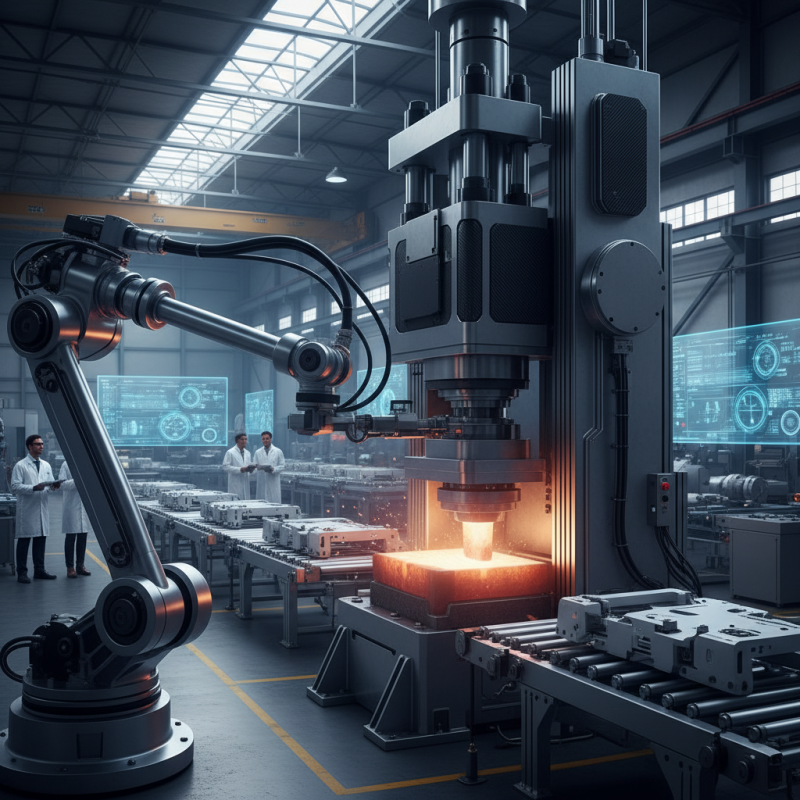
Modern metal forging is revolutionizing the manufacturing landscape. This process, which involves shaping metals using compressive forces, leverages advanced technologies like computer numerical control (CNC) and robotics. According to the Engineering Industry Association, the global forging market is expected to exceed $120 billion by 2025, indicating robust growth potential. CNC technology enhances precision, reduce material waste, and improves efficiency.
One key feature of modern metal forging is die forging, which enables the creation of complex shapes. This process significantly reduces lead time compared to traditional methods. Moreover, advancements in materials science have led to the development of stronger alloys, enhancing the performance of forged products. The Forging Industry Association estimates that 80% of forged parts have superior mechanical properties compared to equivalent cast parts, underscoring the advantages of forging.
However, challenges remain. Achieving consistent quality can be difficult, especially with intricate designs. Some manufacturers report variations in microstructure, leading to potential weaknesses. Additionally, the capital investment in modern forging equipment can be substantial, posing a barrier for small businesses. Balancing innovation with these challenges is crucial for unlocking the full potential of metal forging.
What is Metal Forge and How Can it Benefit Your Business? - Key Features and Technologies Behind Modern Metal Forging Processes
| Feature | Description | Benefits | Technologies Used |
| High Precision | Modern metal forging processes allow for tight tolerances in dimensions. | Reduces material waste and improves product reliability. | CNC Machining, Laser Scanning |
| Material Versatility | Supports a wide range of metals, including alloys and composites. | Flexibility to meet diverse industry needs. | Advanced Alloys, Polymer-Enhanced Materials |
| Rapid Production | Efficient manufacturing processes enable quick turnarounds. | Enhances supply chain efficiency and reduces lead times. | Automation Technology, High-Speed Presses |
| Cost-Effectiveness | Optimized processes lead to lower production costs. | Maximizes profitability for businesses. | Lean Manufacturing, Process Optimization |
| Enhanced Strength | Forged products often have greater strength and durability compared to cast components. | Increases the lifespan of components and reduces failure rates. | Forge Presses, Heat Treatment |
Industry Statistics: Market Growth and Demand for Forged Components
The demand for forged components is surging. Industry statistics indicate a remarkable growth rate in the metal forging market. This growth highlights the increasing reliance on forged parts across various sectors. Manufacturers are especially keen on forging due to its excellent strength-to-weight ratio. The automotive and aerospace industries are key drivers of this trend. They require durable components that can withstand extreme conditions.
Tips for businesses: Consider the specific needs of your industry. Engaging with a reputable metal forge can provide tailored solutions. Take time to analyze your current supply chain. Understanding the benefits of strategic partnerships can enhance production efficiency.
However, companies need to reflect on their choices. Not all forged components are created equal. Variability in quality can lead to production delays. It's crucial to assess potential metal forging partners. They should demonstrate reliability through experience and certifications. Investing time in this area pays dividends, ensuring your components are reliable and efficient.
Market Growth and Demand for Forged Components
The chart above illustrates the projected market growth for forged components across various industry segments. As shown, the automotive sector is expected to lead the demand, followed by aerospace and industrial machinery. This data highlights the importance of forging in key industries and its potential impact on business strategies.
Benefits of Metal Forging: Enhancing Durability and Strength in Materials
Metal forging is a transformative process that enhances material properties. This technique shapes metal by applying intense pressure. It results in stronger and more durable products. The benefits of metal forging significantly impact various industries.
One key advantage is the improved strength of the final product. Forging creates a refined grain structure in the metal, which increases its toughness. This is vital for applications where reliability is non-negotiable. Components like gears and shafts benefit greatly from this process. The durability of forged items means they can withstand harsh conditions longer. This leads to lower replacement costs over time.
Moreover, metal forging can minimize waste. Unlike casting, forging uses less material and produces less scrap. However, it requires careful planning and precise execution. Mistakes in the forging process can lead to defects. These defects may compromise quality, requiring further inspection and testing. Hence, while the advantages are clear, attention to detail is essential for success.
Case Studies: Successful Business Applications of Metal Forging Solutions
Metal forging transforms metal through heat and pressure, resulting in stronger components. Case studies highlight its significant industrial impact. For instance, an automotive manufacturer adopted forging for engine components. Reports indicate that forged parts can be up to 30% stronger than equivalent cast parts. This enhanced strength leads to improved vehicle performance and safety.
Another case involved a construction equipment company utilizing metal forging for hydraulic components. The decision resulted in a 25% reduction in weight while maintaining overall strength. According to industry data, forging can lower production costs by up to 20% when optimized processes are used. However, challenges remain. Many businesses struggle with the initial setup costs and skilled labor shortages. Balancing these factors is crucial for effective implementation.