Fork Truck Rental provides businesses with temporary access to forklifts without requiring a large equipment purchase. It can support warehouse expansion, seasonal demand, construction projects, or unexpected equipment failures. A rental may include an electric forklift for indoor aisles, a diesel model for outdoor yards, or a reach truck for narrow storage areas. The right choice depends on load weight, lift height, floor conditions, working hours, and available space.
The process usually begins with a practical equipment assessment. A customer explains the required capacity, rental period, location, and operating environment. The rental provider then recommends suitable machines, confirms availability, and presents the rental terms. Before delivery, both parties should inspect visible damage, tires, forks, controls, and safety features. A clear inspection record can prevent confusion later. Small details matter.
After delivery, trained and authorized operators should use the forklift according to the manufacturer’s instructions and workplace procedures. Operators need to understand steering limits, load balance, battery charging, refueling, and pedestrian separation. The provider may offer maintenance, emergency support, and replacement equipment, depending on the agreement. Costs can include transport, insurance, attachments, service, and overtime charges.
Fork Truck Rental sounds simple, but poor planning can make it expensive. A machine that looks powerful may not fit through a warehouse door. Rental terms can also hide practical limitations. This guide explains how rental works, what questions to ask, and how to choose equipment responsibly. Real job conditions should guide the decision, not catalog photographs alone.
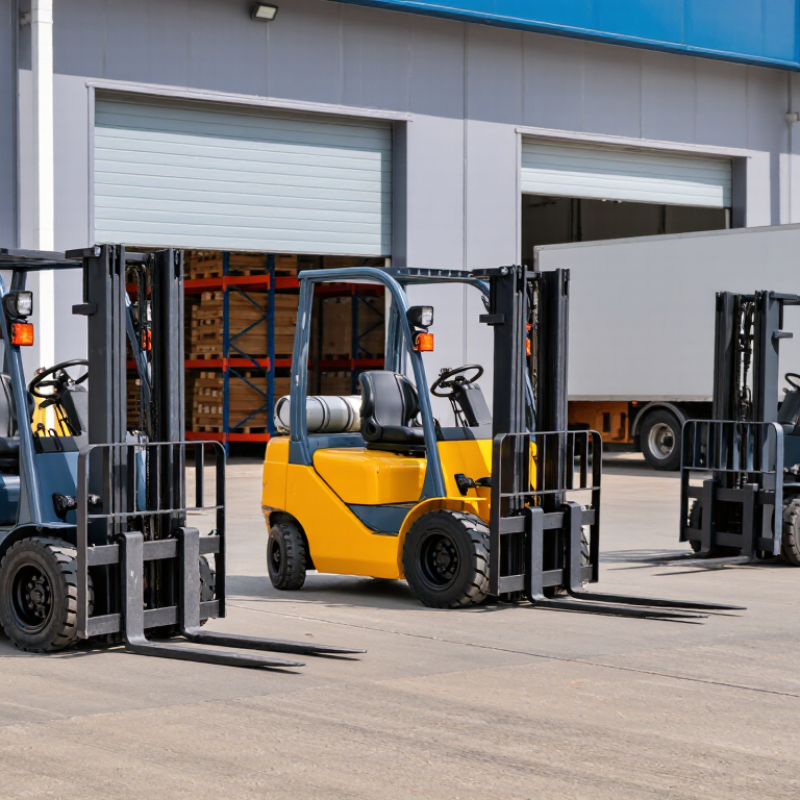
Fork truck rental is a service that provides temporary access to a forklift. Businesses rent one instead of purchasing equipment outright. This option suits warehouses, construction sites, seasonal projects, and short-term material handling needs. Rental periods may last one day, several weeks, or longer. The equipment can include electric, diesel, or propane-powered models. Costs usually depend on the truck type, rental duration, delivery distance, and required lifting capacity. A rental can reduce maintenance responsibilities, but it is not always the cheapest choice. A realistic cost estimate matters.
The process usually begins with a conversation about the job. An experienced rental coordinator should ask about load weight, lift height, aisle width, surface conditions, and working hours. Before delivery, inspect the truck’s tires, forks, brakes, warning lights, and safety controls. Ask for operating instructions and maintenance contacts. Only trained operators should use the equipment. Batteries may need charging, while fuel-powered trucks require proper ventilation. At the end, the provider checks the machine for damage and operating problems. Small details can affect the final cost. I have seen poor measurements create unnecessary delays.
Tips: Measure doorways and aisles before ordering. Confirm the maximum load, not the average load. Check ground conditions after rain. Keep the inspection record. Never exceed the rated capacity. That last rule is easy to ignore. It should not be.
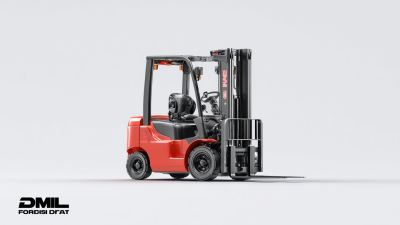
Forklift rental allows a business to use material-handling equipment for a defined period instead of purchasing it. The correct rental is typically selected by load capacity, operating environment, fuel type, lift height, and rental duration.
Typical rated load capacity ranges by forklift class: Class I electric rider forklifts generally handle indoor warehouse loads, Class II models are designed for narrow aisles, Class III equipment is commonly used for pallet handling, and Class IV–V forklifts are suited to heavier industrial or outdoor applications. Actual capacity depends on the specific model, load center, mast height, and attachments.
Fork truck rental lets a business use lifting equipment without purchasing it. The process begins with a clear equipment assessment. Staff should identify the load weight, lifting height, aisle width, floor condition, and working environment. Indoor warehouses may need electric models, while outdoor yards often require different tires and stronger weather protection. Rental coordinators usually confirm availability, rental length, delivery access, and operator requirements. An experienced provider should inspect the truck before delivery. Safety documentation should also be available.
The rental agreement explains pricing, deposit terms, operating limits, maintenance duties, and return conditions. After delivery, a trained representative may provide a short equipment briefing. The operator checks the forks, tires, controls, warning devices, and battery or fuel level before use. It sounds simple. However, rushed inspections can create serious problems. During the rental, the customer reports faults instead of attempting uncertain repairs. At the end, the truck is cleaned, checked for damage, and collected or returned as agreed. Photos can help record its condition.
Tips: Measure your narrowest aisle before ordering. Confirm the heaviest load, not the average one. Ask about delivery clearance and charging arrangements. Keep the rental period realistic. A one-day extension may cost less than rushed handling. Review the agreement carefully, because small details are easy to miss.
Fork truck rental covers several machine types, not one standard vehicle. Electric counterbalance trucks suit warehouses, loading docks, and indoor aisles where quiet operation matters. Internal-combustion models provide stronger performance outdoors, especially on uneven yards. Reach trucks work in narrow warehouse aisles, while pallet trucks handle shorter travel and lighter loads. Rough-terrain forklifts support construction sites, farms, and gravel surfaces. Telehandlers add forward reach for materials placed at height.
Capacity must match the real load, not an optimistic estimate. A 2,500-kilogram load can become unsafe after adding a long attachment or lifting it beyond the rated center. Rental suppliers normally review capacity, lift height, fuel type, tire design, mast configuration, and attachment requirements. OSHA reports about 85 forklift-related workplace fatalities and 34,900 serious injuries annually in the United States. That figure makes equipment selection more than a scheduling decision. It also shows why operator training and site checks remain essential.
Rental periods can range from a single shift to several months. Short-term hiring helps during seasonal demand, equipment repairs, or temporary projects. Electric units may reduce indoor fumes, but charging space and battery time need planning. Combustion units may work longer outdoors, though ventilation and fuel storage deserve attention. The Industrial Truck Association publishes industry shipment statistics, reflecting continued demand for multiple truck classes. Rental is flexible. It is not automatically safer. A neat contract cannot correct a poor capacity estimate, an unsuitable surface, or an operator who needs more practice.
Fork truck rental lets a company use lifting equipment without buying it. The renter chooses capacity, mast height, power type, and rental length. The supplier usually handles inspection and scheduled maintenance. Delivery, pickup, insurance, and damage protection may appear as separate charges. Short rentals often use daily or weekly rates. Long projects may receive lower monthly pricing.
Capacity is a major cost driver. A five-ton fork truck usually costs more than a two-ton unit. Greater lift height also raises the rate. Electric models may cost more initially, while fuel-powered units can suit outdoor work better. Attachments, rough-terrain capability, and side-shifting functions add fees. Location matters too. Remote delivery, limited local supply, and urgent scheduling can increase the final invoice.
The American Rental Association’s 2024 forecast placed U.S. equipment-rental revenue at about 78.7 billion dollars, showing strong demand across rental categories. Market pressure can affect availability and pricing. The 2024 North American Rental Rate Report also emphasizes utilization, age, specifications, and regional conditions when comparing equipment rates.
A neat estimate is not always honest.
Fork truck rental provides temporary lifting capacity without purchasing, storing, and maintaining a machine year-round. A rental agreement normally identifies the truck’s capacity, lift height, attachments, rental period, and maintenance responsibilities. Before choosing, match the rated load to the heaviest pallet, not the average one. Check aisle width, floor condition, door clearance, turning space, and battery or fuel arrangements. Ask for inspection records and clear instructions for reporting faults. Cheap daily rates can hide unsuitable tires or limited lifting height. That mistake costs time.
Only a trained and authorized operator should drive the truck. Read the load chart and operator manual before starting. Wear the seat belt, keep forks low while traveling, and maintain a clear view. If the load blocks vision, travel in reverse only when the route is safe and visibility remains adequate. Sound the horn at blind corners, slow near pedestrians, and never carry passengers. Inspect tires, forks, chains, hydraulic lines, brakes, steering, warning alarms, and fluid leaks before each shift. Test controls in an open area, away from people. Stop immediately.
Place the load evenly on both forks and keep it close to the mast. Do not exceed capacity or lift unstable materials. Park with forks lowered, controls neutral, brake set, and power isolated as required by the equipment instructions. Keep the key controlled. A common rushed-loading mistake happens when a pallet looks lighter than its label suggests. Taking another measurement may feel slow, but guessing is worse. Record damage and operating hours when returning the rental, so the next inspection starts with accurate information.
Content © 2025 Komatsu. All Rights Reserved