What is a Flexible PCB and How is it Used?
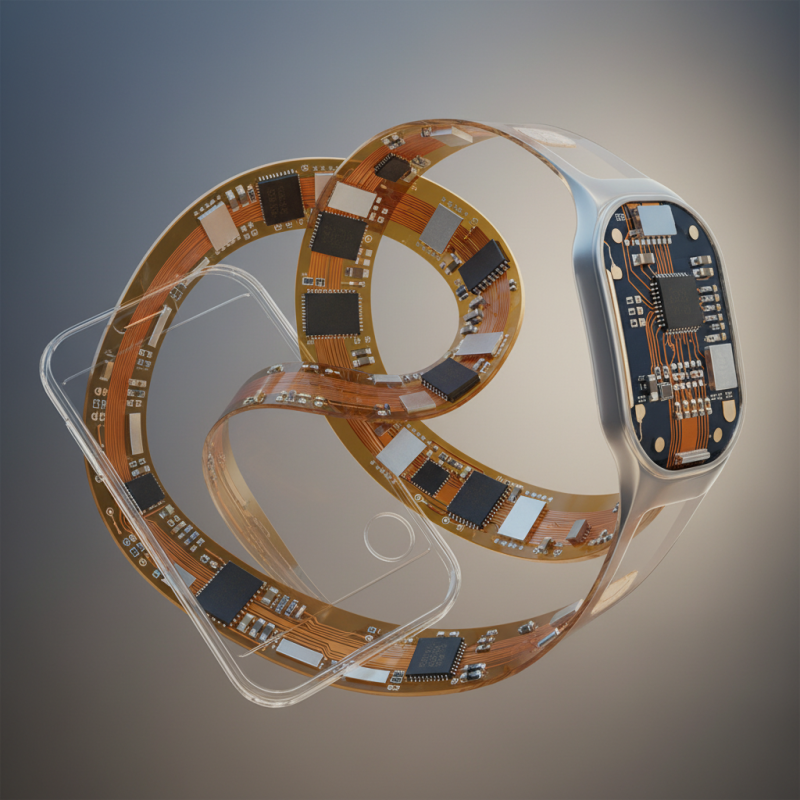
Flexible Pcbs, or Printed Circuit Boards, are an innovative solution in electronics. They enable designs that are lightweight and adaptable. Unlike traditional rigid boards, Flexible PCBs can bend, twist, and fit into compact spaces. This flexibility is crucial for modern devices like smartphones and wearables.
These circuits are used in various applications. From medical devices to automotive systems, their versatility is remarkable. They can enhance the performance of products while reducing weight. However, the manufacturing process can be complex. The materials used must withstand stress and environmental factors.
While Flexible PCBs offer many advantages, they also come with challenges. Reliability and durability are vital. Any failure in a flexible circuit can lead to device malfunction. Therefore, careful consideration is necessary during the design phase. Overall, the use of Flexible PCBs is growing. Their role in shaping the future of electronics is undeniable.
Understanding the Basics of Flexible PCBs
Flexible printed circuits (PCBs) are increasingly popular in various applications. They offer unique advantages due to their lightweight and adaptable nature. Flexible PCBs can be bent, twisted, and folded, allowing designs that were previously impossible. A significant report from the International Journal of Electronics indicates that the market for flexible circuits is expected to grow at a rate of over 10% annually through 2025.
Applications for flexible PCBs span multiple sectors. In the consumer electronics field, they enable compact designs in smartphones and wearables. Medical devices also benefit significantly. For instance, flexible PCBs improve performance in diagnostic equipment and implantable devices. Their ability to withstand environmental stress makes them ideal for such uses.
Tips: When designing a flexible PCB, consider the thickness of the substrate and copper layers. This can impact both performance and flexibility. Also, ensure that the material chosen withstands bending cycles, typically tested for thousands of bends. These considerations can prevent costly redesigns and enhance functionality. Always review your design to catch potential flaws, as overlooking minute details can lead to failures in real-world applications.
Usage of Flexible PCBs in Different Industries
Key Materials Used in Flexible PCB Manufacturing
Flexible PCBs, or printed circuit boards, are made using various key materials that play crucial roles in their functionality. The primary substrate used is polyimide, known for its excellent thermal stability and flexibility. This material allows the PCB to bend and conform to different shapes without breaking. Copper is another essential component, used for conductive pathways. It is often combined with various treatments to enhance its properties and durability.
In addition to these materials, adhesives play a significant role in the assembly of flexible PCBs. Epoxy adhesives bond different layers together, ensuring the structure remains intact under stress. However, selecting the right type can be challenging, as factors like temperature resistance and chemical exposure vary. Moreover, some manufacturers struggle with ensuring consistent quality during the lamination process. This inconsistency can lead to defects, which might affect performance.
Additionally, surface finishes are important in protecting the copper traces from oxidation. Options like ENIG (Electroless Nickel Immersion Gold) offer excellent corrosion resistance but can be costly. It’s essential to weigh the benefits against the expenses. In the quest for improved technologies, the choice of materials becomes complex, often leading to reflections on balance between performance and cost.
Common Applications of Flexible PCBs in Modern Electronics
Flexible printed circuit boards (PCBs) have become crucial in modern electronics. Their versatility allows for innovative designs in various devices. Recent reports suggest that the flexible PCB market is projected to reach over $20 billion by 2025. This growth is driven by advancements in consumer electronics and automotive applications.
In consumer electronics, flexible PCBs are widely used in smartphones, tablets, and wearable devices. They enable compact designs and lightweight constructions, making devices more portable. For instance, a typical smartphone contains up to ten flexible circuits, accommodating multiple functionalities. In the automotive industry, these PCBs improve space efficiency and reliability in systems such as dashboards and sensor technologies. However, the transition to flexible designs comes with challenges. Issues like durability and manufacturing costs require careful consideration.
Medical devices also benefit significantly from flexible PCBs. These circuits are used in portable diagnostic tools and implants, providing better integration with the human body. Reports indicate a rising demand for flexible PCBs in this sector, aiming for more efficient and less invasive solutions. Yet, quality assurance remains a critical area for improvement. Manufacturers must balance innovation with safety standards to meet the complex needs of healthcare systems.
Advantages of Using Flexible PCBs Over Rigid PCBs
Flexible PCBs have gained popularity in various electronics applications due to their unique advantages. These boards can bend, twist, and conform to various shapes. Unlike rigid PCBs, they save space and weight, making them ideal for compact devices. Flexible PCBs can easily fit into tight spaces without compromising performance.
Another significant advantage is their durability. Flexible PCBs can withstand vibrations and shocks better than rigid ones. This feature is crucial for devices in challenging environments, like automotive and medical applications. However, manufacturing flexible PCBs can sometimes be complicated. The materials used must maintain performance while enabling flexibility. Quality control in production is essential, as defects can lead to failures.
Moreover, the design process for flexible PCBs can require more effort and creativity. Designers must be mindful of the board's flexibility during the layout. Mistakes in this phase can lead to issues later in assembly or use. Yet, the benefits often outweigh these challenges. The integration of flexible PCBs in modern devices illustrates their potential in driving innovation, but careful planning is key.
Future Trends and Innovations in Flexible PCB Technology
Flexible printed circuits (FPCs) are revolutionizing various industries. Their ability to bend and fit in tight spaces makes them essential for modern electronics. Reports indicate that the flexible PCB market is expected to reach $32 billion by 2026, growing at a CAGR of 12%. This growth is driven by demand in sectors like automotive, medical devices, and consumer electronics.
The future trends in flexible PCB technology are promising. For instance, the integration of advanced materials like polyimide and new manufacturing techniques can enhance durability and performance. However, challenges remain. The production processes for FPCs can be costly and complex. Companies often face difficulties in scaling up. Innovations like 3D printing and smart manufacturing could potentially address these issues. Yet, they also raise questions about reliability and consistency.
As the industry evolves, sustainability is becoming a focal point. The rising need for environmentally friendly technologies is pushing companies to rethink materials and processes. This shift could lead to the development of biodegradable flexible PCBs. Although still in the early stages, such innovations reflect a growing awareness about environmental impact. Balancing performance with sustainability will be a key challenge for the future of flexible PCBs.