Why Are Quality Forklift Parts Essential for Your Business?
In the competitive landscape of warehouse operations, the importance of quality forklift parts cannot be overstated. According to John Thompson, a leading expert in the forklift industry, "The longevity and efficiency of your forklift hinge on the quality of its parts." This statement underscores the essential role that reliable forklift parts play in maintaining operational flow.
Quality forklift parts ensure that machinery operates smoothly and efficiently. Using subpar components can result in frequent breakdowns and costly repairs. For many businesses, downtime translates to lost productivity and revenue. Moreover, effective parts contribute to a safer work environment, reducing the risk of accidents caused by equipment failure.
Investing in high-quality forklift parts enhances the overall performance of your fleet. It may seem tempting to cut costs with cheaper options, but this often leads to more significant issues down the line. Reflecting on long-term strategies is vital. Choosing reliable components can save money and provide peace of mind. Quality matters, especially when it affects daily operations and employee safety.
Importance of Quality Forklift Parts in Operational Efficiency
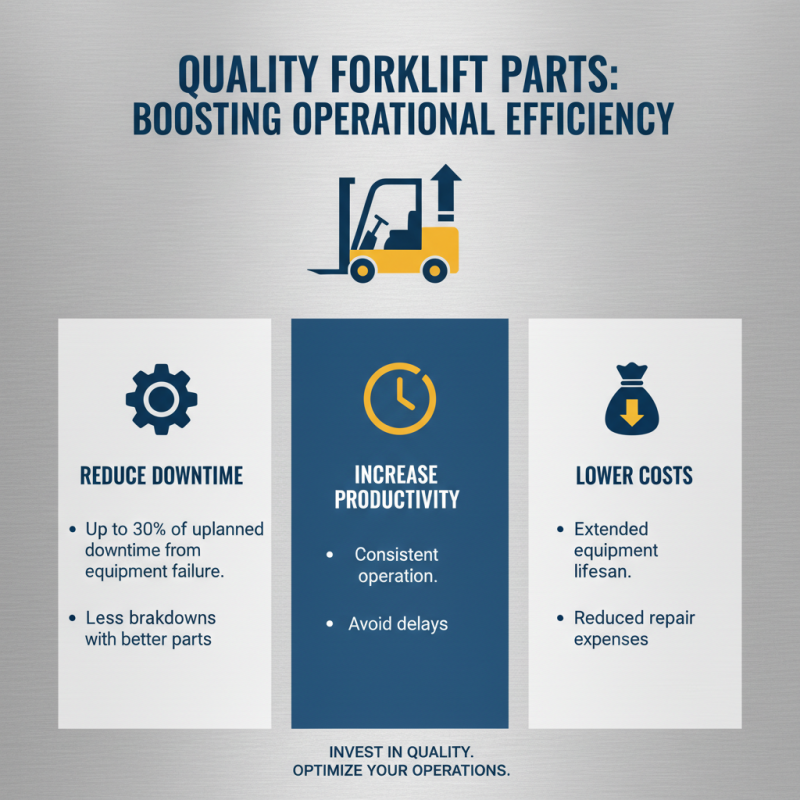
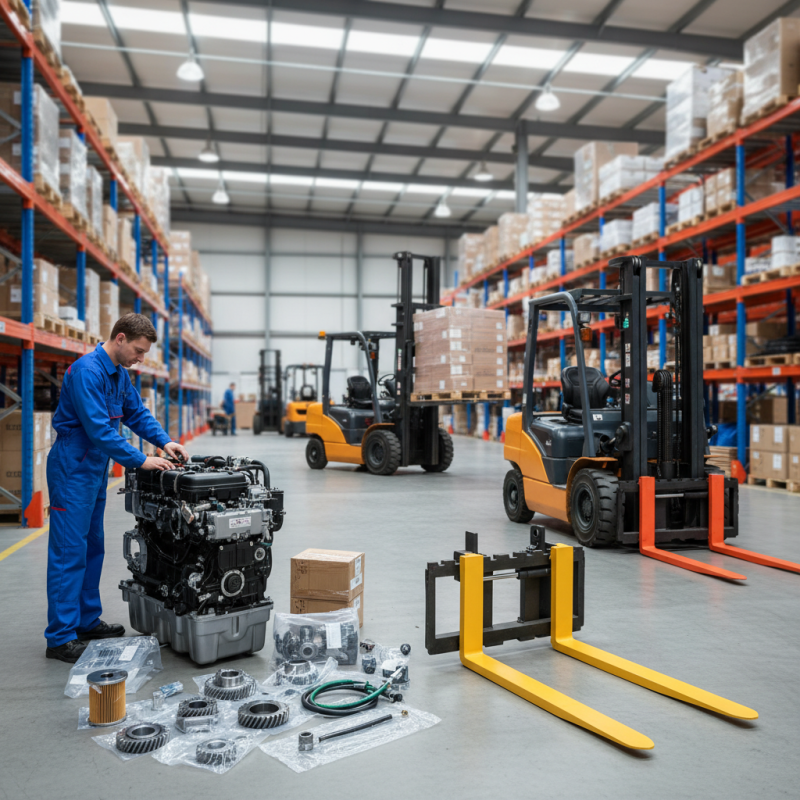
Quality forklift parts play a crucial role in ensuring operational efficiency. A recent industry report highlights that up to 30% of unplanned downtime in warehouses is due to equipment failure. This can significantly affect productivity and increase operational costs. Investing in high-quality parts reduces the likelihood of breakdowns. It also extends the lifespan of your equipment.
When parts are reliable, companies can maintain a steady workflow. An average forklift operates about 2,000 hours annually. During this time, substandard parts can lead to excessive wear and tear. According to a study by the Warehouse Equipment Manufacturers Association, using quality components can improve a forklift's performance by over 20%. This improvement can directly influence the bottom line by lowering maintenance expenses and enhancing safety standards.
However, not all users prioritize purchasing quality parts. Many opt for cheaper alternatives, thinking they save money. This approach can backfire, leading to frequent repairs and operational disruptions. High-quality forklift parts are not just about initial cost; they represent a long-term investment. Reflecting on this choice can lead to improved productivity and sustainability in warehouse operations.
Impact of Quality Parts on Forklift Safety Standards
Quality forklift parts are crucial, especially concerning safety standards. According to industry reports, nearly 25% of workplace accidents involve forklifts. Many of these incidents occur due to equipment failure or poor maintenance. Investing in high-quality parts can reduce this risk significantly.
Safety standards require that every aspect of a forklift be reliable. Using inferior components can lead to malfunctions, compromising operator safety. A report by OSHA indicates that proper maintenance and high-quality parts can decrease accident rates by up to 40%. This statistic underscores the importance of maintaining safety within warehouse environments.
Additionally, quality parts contribute to the longevity of the forklift. Frequent repairs due to subpar parts can incur higher costs over time. Companies using durable components often report lower downtime and improved efficiency. This suggests that prioritizing quality is not just a safety measure but also a smart business decision, aligning with operational goals and financial health.
Cost-Benefit Analysis of Using Genuine Forklift Parts
In the world of logistics and warehouse operations, the choice of forklift parts can significantly impact a business's bottom line. A recent industry report highlights that using genuine forklift parts can improve equipment longevity by up to 30%. This substantial increase reduces the need for frequent repairs and replacements. Quality parts often outperform generic alternatives, leading to fewer operational disruptions and enhancing workflow efficiency.
A cost-benefit analysis reveals that while genuine parts may initially seem more expensive, the long-term savings are noteworthy. For instance, a study found that companies using counterfeit parts face repair costs that are 20-25% higher over five years. This statistic suggests that investing in quality parts may alleviate future expenses. Additionally, fewer breakdowns result in lower labor costs associated with downtime, contributing to overall productivity.
Furthermore, genuine parts typically come with manufacturer support and warranties. This added security can prevent unexpected costs. However, businesses sometimes overlook these advantages, tempted by lower up-front prices. Such decisions might lead to operational setbacks that could have been avoided with quality investment. Revisiting procurement strategies and aligning them with long-term goals can be essential in achieving a balanced cost structure and optimal performance.
Why Are Quality Forklift Parts Essential for Your Business? - Cost-Benefit Analysis of Using Genuine Forklift Parts
| Aspect |
Genuine Parts |
Aftermarket Parts |
Comments |
| Initial Cost |
Higher |
Lower |
Long-term savings may outweigh initial costs. |
| Durability |
High |
Variable |
Genuine parts often last longer, reducing replacement frequency. |
| Warranty |
Typically 12-24 months |
Often limited or no warranty |
Genuine parts usually come with better warranty support. |
| Maintenance |
Lower long-term costs |
Potentially higher |
Quality parts reduce the need for frequent servicing. |
| Performance |
Optimized for specific models |
Inconsistent |
Genuine parts provide the best operational efficiency. |
Effects of Quality Parts on Forklift Lifespan and Maintenance Costs
Quality forklift parts significantly impact the lifespan of your equipment. Durable components withstand wear better. They reduce the frequency of breakdowns. High-quality materials lead to fewer repairs. This translates to reliable operation, ensuring productivity.
Maintenance costs are directly influenced by the parts used. Cheap alternatives might save you money upfront, but they often lead to greater expenses over time. Inaccurate fit or inferior materials can cause other parts to fail. Regular breakdowns and repairs can quickly add up. This ongoing cycle can drain resources and time.
Relying on quality parts means fewer surprises. However, it’s important to recognize that not all suppliers are equal. Some may claim high quality without real testing. Take time to research and verify claims. A small investment in reputable parts can yield significant savings in the long run. Focus on sustainability for your operations, and ensure your forklifts run smoothly over time.
Industry Statistics on Downtime Related to Poor Quality Forklift Parts
Downtime in warehouses and distribution centers is a costly issue. According to recent studies, businesses lose thousands annually due to equipment failure. Poor quality forklift parts are a significant contributor to this problem. A survey revealed that 50% of companies reported increased downtime directly linked to subpar components. This disruption affects productivity, employee morale, and revenue.
Frequent repairs can lead to a cycle of inefficiency. Forklifts with low-quality parts may break down unexpectedly. Maintenance teams spend more time fixing issues rather than focusing on their core tasks. It's crucial to consider the hidden costs associated with these delays. Operations may slow, resulting in missed deadlines and unhappy customers. Statistics show that over 30% of companies admit their downtime could have been avoided with better parts.
Investing in quality forklift components pays off in the long run. Businesses that prioritize high-quality parts report significantly lower incident rates. This choice ensures reliability and boosts efficiency. In contrast, companies that opt for cheaper alternatives often face recurring problems. The lesson is clear: don't underestimate the impact of quality on your operations. Quality parts are not just an expense; they are a vital investment in your business's future.
Impact of Poor Quality Forklift Parts on Downtime