What is a Conveyor Belt Roller and How Does it Work?
conveyor belt rollers play a crucial role in material handling systems. According to a recent industry report, the global conveyor system market will reach $7.5 billion by 2025. This growth reflects the increasing demand for efficiency and automation in various sectors, including manufacturing and logistics.
These components support and guide conveyor belts as they move. They reduce friction, ensuring smooth operation. However, the quality of conveyor belt rollers can significantly impact system performance. Poorly designed rollers can lead to increased wear on belts, resulting in costly downtime.
Even though advancements are being made, some companies still face challenges. Many lack proper maintenance schedules for their equipment. This oversight can undermine the benefits that high-quality conveyor belt rollers bring. Addressing these issues is essential for maximizing efficiency and productivity.
What is a Conveyor Belt Roller?
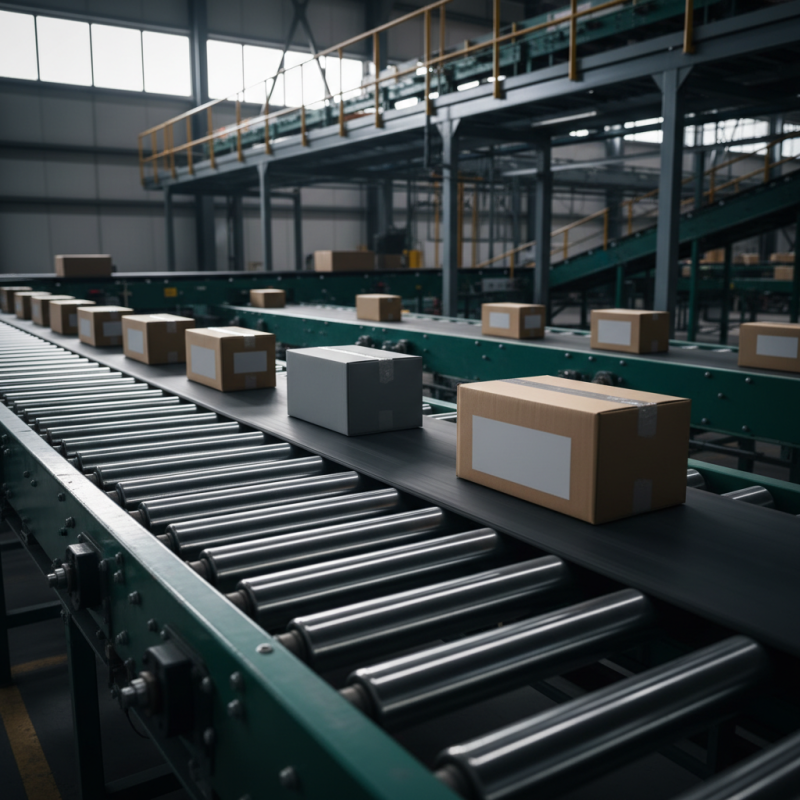
A conveyor belt roller is a crucial component in many industrial processes. It supports the conveyor belt, allowing it to move materials efficiently. These rollers are placed at regular intervals along the conveyor system. They provide stability and reduce friction, which helps maintain the belt's movement.
The design of a conveyor belt roller can vary. Some simple models are made of metal or plastic. Others are designed with features to handle heavy loads. However, not all rollers perform equally. Poor quality rollers may wear down quickly or fail under pressure. Regular inspection is essential to ensure proper function and longevity.
Understanding how conveyor belt rollers work can help in choosing the right ones. The rollers must fit the system's specific conditions. Selecting the wrong type can lead to inefficiencies and costly downtime. It's important to reflect on roller maintenance as well. A small oversight can lead to bigger issues down the line.
What is a Conveyor Belt Roller and How Does it Work?
| Dimension | Description |
| Type of Roller | Idler Roller, Drive Roller |
| Material | Steel, Aluminum, Plastic |
| Diameter | Standard sizes range from 1.5" to 12" |
| Length | Custom lengths available based on application |
| Load Capacity | Varies by roller type, generally from 500 lbs to over 10,000 lbs |
| Rotational Speed | Typically ranges from 30 to 120 RPM |
| Applications | Material handling, packaging, manufacturing |
| Maintenance | Regular lubrication and alignment checks |
The Components of a Conveyor Belt Roller
A conveyor belt roller is an essential component of conveyor systems. It helps transport materials efficiently across various industries. Understanding its components is vital for optimal performance and maintenance.
The main parts of a conveyor belt roller include the shaft, bearing, and shell. The shaft provides the structural core. Bearings support smooth rotation. The shell is often covered with materials to enhance grip. These components work together to ensure smooth movement and reduce friction.
Tip: Regularly inspect rollers for wear. A tiny crack can lead to bigger problems later.
Another vital aspect is the alignment of rollers. Misaligned rollers can cause uneven wear on the belt. Belts may slip or derail, leading to downtime. Adjustments may be necessary when wear is detected.
Tip: Keep a maintenance schedule to check roller alignment. Ignoring this can create significant operational issues. Small adjustments can save time and resources.
How Conveyor Belt Rollers Function in Material Handling
Conveyor belt rollers play a crucial role in material handling systems. They support the weight of the conveyor belt and the materials being transported. These rollers can be made of various materials, ensuring durability and efficiency. A typical roller consists of a cylindrical shape, allowing smooth rotation along its axis. This design reduces friction, making it easier for the conveyor system to operate.
When the conveyor belt moves, the rollers help guide its path. They keep the belt stable and aligned, which prevents jams and wear. If rollers are damaged or misaligned, issues arise. Materials may spill or get stuck, causing delays. Maintaining the rollers is essential for the entire system's effectiveness. Regular checks can ensure they are functioning properly.
The effectiveness of conveyor rollers also depends on their placement. Strategic positioning can enhance material flow. Sometimes, ideal roller configurations are overlooked, leading to inefficiencies. One may assume all setups work similarly, but they don't. Each situation requires careful consideration of roller types and arrangements. Correct decisions here can significantly improve overall system performance.
Material Handling Efficiency - Conveyor Belt Rollers
Types of Conveyor Belt Rollers and Their Applications
Conveyor belt rollers play a crucial role in material handling systems. They support and guide the conveyor belt, ensuring smooth transfer of goods. There are different types of rollers, each serving unique functions.
There are three main types of conveyor belt rollers: drive rollers, return rollers, and impact rollers. Drive rollers are crucial for moving the belt forward. They provide the necessary force to transport materials along the conveyor. Return rollers support the belt when no load is placed on it. They keep the belt aligned and prevent sagging. Impact rollers are designed to absorb shocks when heavy materials drop onto the belt, reducing wear and tear.
In various industries, the application of these rollers varies. In mining, impact rollers protect equipment from heavy rocks. In warehouses, drive rollers facilitate the quick movement of packages. Each roller type contributes to the efficiency and longevity of a conveyor system. However, not all rollers are suitable for every application. Choosing the wrong type can lead to inefficiencies or equipment failure. It’s essential to evaluate the specific needs of the operation to ensure optimal performance.
Maintenance and Troubleshooting for Conveyor Belt Rollers
Conveyor belt rollers play a crucial role in transport systems. They help move materials smoothly along the conveyor. Regular maintenance is vital to ensure they function correctly. If rollers are not cared for, they can lead to significant issues down the line.
To maintain conveyor belt rollers, start by checking for wear. Listen for unusual noises during operation. These sounds may indicate a problem. Inspect for debris accumulation around the rollers, which can hinder performance. Ensure that all parts are well-lubricated. Otherwise, friction can cause unnecessary damage.
Troubleshooting is essential for roller issues. If a roller seems misaligned, correct its position promptly. A misaligned roller can cause uneven wear on the belt. Additionally, monitor the belt tension. Too loose or too tight can lead to malfunctioning rollers. Remember that unnecessary problems can often arise from neglected maintenance. Regular checks can save time and expenses. It’s important to take proactive steps to avoid larger complications.