Top Cnc Lathe Buying Guide for Global Suppliers and Buyers?
In today's competitive manufacturing landscape, choosing the right CNC lathe is crucial for efficiency and productivity. CNC lathes are pivotal in precision machining, with a projected market growth of 6.1% annually, according to industry analysts. This growth is largely driven by the demand for automated solutions, which enhance both speed and precision in production processes.
Global suppliers and buyers face numerous challenges. Selecting a CNC lathe requires understanding performance specifications, operational features, and support services. According to a recent report from TechSci Research, 62% of manufacturers prioritize reliability and ease of maintenance when investing in CNC machines. It's vital to reflect on how these factors align with personal buyer needs and production goals.
Investing in the right CNC lathe can greatly impact production quality. However, many buyers overlook essential details. Evaluating machine capabilities against specific applications can reveal important insights. Buyers must consider both initial costs and long-term value, ensuring their investment leads to sustainable growth in an ever-evolving market.
Understanding CNC Lathes: Types and Functions
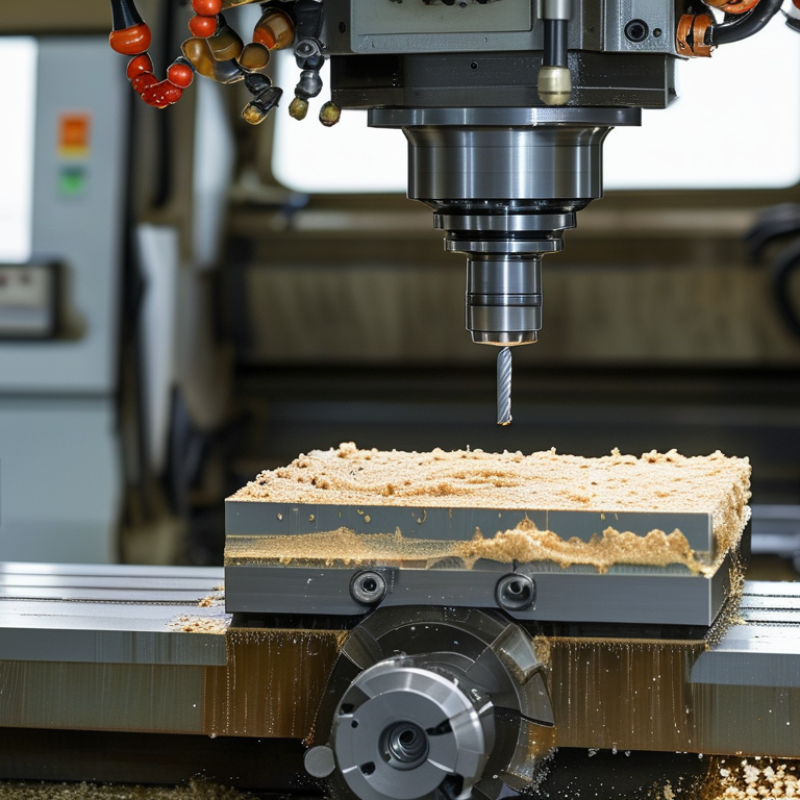
CNC lathes are essential tools in modern manufacturing. They come in various types, each designed for specific functions. The two primary types are horizontal and vertical CNC lathes. Horizontal lathes are more common. They typically offer better accessibility and are suited for most tasks. Vertical lathes, on the other hand, are used for larger objects. They excel in heavy-duty machining.
Understanding the functions of CNC lathes helps buyers select the right equipment. Some lathes focus on precision. These machines produce high-quality parts consistently. Others prioritize speed and efficiency, making them ideal for high-volume production runs. Recognizing these distinctions can vastly impact manufacturing outcomes.
Many buyers underestimate the importance of selecting the right tool. Overspending on advanced features may not yield proportional benefits. Occasionally, simpler machines may suffice for specific projects. It's vital to assess the actual production needs before making a decision. Reflecting on these elements ensures smarter investments.
Global CNC Lathe Market Analysis
Key Specifications to Consider When Buying CNC Lathes
When selecting a CNC lathe, understanding key specifications is crucial. Focus on the machine's rigidity and stability. A robust frame ensures precision and withstands high-speed operations. Additionally, check the spindle speed range. A flexible range allows for various machining tasks.
Tips: Always assess the weight of the lathe. Heavier machines often provide better stability, minimizing vibration during cutting. Evaluate the bed length and swing diameter to ensure they meet your workpiece sizes.
Consider the tooling system as well. The capability to switch tools efficiently can drastically reduce cycle times. Look for systems that offer quick changeovers. However, be aware of the potential downsides. More complex systems may require additional training.
Tips: Examine the maintenance requirements. Some lathes demand more frequent servicing, affecting overall productivity. Keep an eye on the control interface for user-friendliness. A complex interface can lead to operational errors.
Evaluating Manufacturers: Quality and Reliability Factors
When evaluating manufacturers for CNC lathes, quality stands out. Buyers should examine precision, durability, and materials used in construction. High standards in these areas ensure reliable performance and longevity. Visual inspections and third-party certifications can be very telling. Certifications add a layer of trust, but they should not be the only criteria for selection.
Reliability is another critical factor. Manufacturing processes should be consistent. Variations can lead to unsatisfactory performance, impacting production schedules. Frequent breakdowns can lead to costly downtime. Feedback from existing customers often reveals much about a manufacturer's reliability and service quality. Gathering this data can be challenging, yet essential.
Buyers should also consider the manufacturer's response time and support. A quick response may indicate a commitment to customer service. However, not every reputable manufacturer excels in this area. Reflecting on past experiences can provide insights into what to expect. Transparency during negotiations can signal a manufacturer's reliability. Engaging in discussions allows potential buyers to gauge the manufacturers' integrity.
Cost Analysis: Budgeting for Your CNC Lathe Purchase
When considering the purchase of a CNC lathe, budget is a critical factor. An effective cost analysis should not only include the initial purchase price but also long-term operational costs. These machines can vary significantly in price based on size, capabilities, and features. It’s essential to ask, what does your production need? An expensive machine might not always offer the best value for your specific applications.
In addition to the upfront costs, think about maintenance and tooling expenses. Regular maintenance might prevent costly downtime. Tooling costs can add up quickly; understanding these factors is crucial. Some users overlook these ongoing expenses, leading to budget shortfalls. Examine your overall production goals and calculate how a CNC lathe fits into these plans.
Consider the potential for return on investment. Evaluate if a high-quality, more expensive CNC lathe will yield better products and efficiency. Sometimes, lower-cost options may lead to higher waste or lower quality. Each choice carries its benefits and drawbacks, and careful thought can guide you in making a wise decision that aligns with your financial plans and production needs.
After-Sales Support and Maintenance for CNC Lathes
When investing in CNC lathes, after-sales support and maintenance are crucial factors. The longevity and efficiency of these machines heavily depend on consistent maintenance. According to a report by Industry Week, regular maintenance can reduce machine downtime by up to 30%. Proper after-sales service ensures that issues are addressed promptly, keeping operations smooth.
Ensuring that your supplier offers reliable technical support can save significant costs in the long run. Many manufacturers provide training for your staff. This can enhance the understanding of CNC functions. Knowledgeable operators can prevent common issues and extend the lifespan of the equipment.
Tip: Create a maintenance schedule. Regular check-ups can prevent minor issues from escalating. Engage with your supplier to understand best practices. Investing in proper training is equally important. Investing time now can lead to significant savings later. If issues arise, quick access to expert help is invaluable. Technical support helps to maintain operational efficiency.
Top CNC Lathe Buying Guide for Global Suppliers and Buyers - After-Sales Support and Maintenance for CNC Lathes
| Feature | Description | Importance |
| Spindle Speed | The maximum speed at which the spindle can rotate, impacting machining speed and surface finish. | High |
| Control System | Type of CNC control used, affecting usability and compatibility with other software. | High |
| After-Sales Support | Availability of technical support and maintenance services post-purchase. | Critical |
| Warranty Period | Duration of warranty coverage for the lathe, which protects against defects. | High |
| Construction Material | Type of materials used in the lathe’s construction, affecting durability and vibration. | Medium |
| Maintenance Accessibility | Ease of performing routine maintenance tasks on the machine. | High |
| Customization Options | Availability of custom features or modifications to meet specific needs. | Medium |