What is a CNC Horizontal Lathe Machine and Its Benefits?
In the realm of precision machining, the CNC Horizontal Lathe Machine stands out as a cornerstone of modern manufacturing. Renowned expert John Roberts, a mechanical engineer with over 15 years in the industry, emphasizes, “The CNC Horizontal Lathe Machine revolutionizes the way we approach part production.” This machine combines efficiency with unmatched accuracy, allowing manufacturers to create complex components effortlessly.
The CNC Horizontal Lathe Machine operates by rotating the workpiece against a stationary cutting tool. This setup enables high-speed production while maintaining strict tolerances. As industries continue to demand faster turnaround times, this technology becomes increasingly vital. However, while many celebrate its capabilities, it's essential to reflect on its initial setup complexities and operational learning curve.
Investing in a CNC Horizontal Lathe Machine can dramatically enhance productivity, but it requires a skilled workforce. The balance between automation and human oversight poses challenges. As manufacturers embrace this technology, they must navigate these issues to fully unlock its potential in their operations.
Understanding CNC Horizontal Lathe Machines
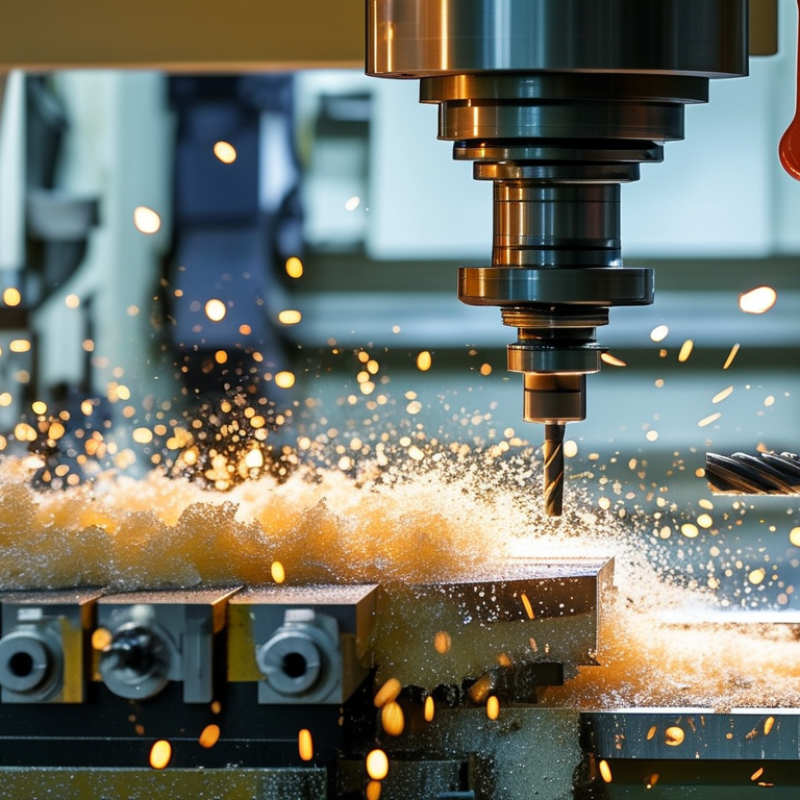
CNC horizontal lathe machines are vital in modern manufacturing. These machines are equipped with advanced computer numerical control (CNC) technology. This allows precision machining of various materials, including metals and plastics. Their horizontal design facilitates efficient handling of larger workpieces.
Operators appreciate these machines for their efficiency and accuracy. A well-calibrated CNC lathe can produce complex shapes and fine finishes. However, improper setup can lead to flaws in the finished product. Regular maintenance and calibration are crucial for optimal performance.
**Tips:** Always check the tool alignment before starting a project. This ensures better accuracy and reduces material waste. Take your time to train operators on proper machine handling. A knowledgeable team can significantly improve productivity. Understanding the machine's capabilities and limitations prevents costly mistakes.
Key Components of CNC Horizontal Lathe Machines
CNC horizontal lathe machines are essential in metalworking. They consist of several critical components that enhance their functionality. The bed provides the foundation, ensuring stability. It is usually made from cast iron or steel. This rigidity allows for precise machining without vibrations.
The spindle is another vital part. It rotates the workpiece at various speeds. This allows for different machining operations, such as turning or facing. The tailstock supports long workpieces, adding stability. It can be adjusted for different lengths, which is crucial for precision tasks.
The control panel features a user-friendly interface. Operators can input commands easily, making the machining process more efficient. While CNC machines promise precision, improper programming can lead to errors. Regular maintenance is also key; neglecting it can decrease performance. Keeping components clean is vital for consistent results. Each part plays a crucial role, and understanding them is essential for effective operation.
Benefits of Using CNC Horizontal Lathes in Manufacturing
CNC horizontal lathes have become essential in modern manufacturing. These machines offer significant precision, which is crucial for maintaining tight tolerances. According to a report by the International Federation of Robotics, the global market for CNC machines is projected to reach $100 billion by 2025, reflecting their growing importance. Manufacturers using CNC horizontal lathes can achieve high efficiency with reduced operator intervention. This means fewer mistakes and better quality control.
One of the key benefits of CNC horizontal lathes is their versatility. They can handle various materials, including metals and composites. This flexibility allows manufacturers to adapt quickly to market demands. Data from the McKinsey Global Institute shows that automation could increase productivity by 20-30% in manufacturing sectors. However, not all companies have fully embraced CNC technology. Some face challenges integrating these systems into existing processes.
The initial investment can be daunting for some firms. Yet, long-term savings and reduced labor costs often justify the expense. Embracing CNC horizontal lathes can streamline production workflows. Nevertheless, companies must ensure adequate training for operators. Inadequate skills can lead to operational inefficiencies, negating some of the benefits. This balance of cost versus benefit is a crucial consideration for manufacturers today.
Benefits of Using CNC Horizontal Lathes in Manufacturing
Applications of CNC Horizontal Lathes in Various Industries
CNC horizontal lathes play a vital role in various industries. These machines are designed for precision machining of both metal and plastic components. They are widely used in manufacturing, automotive, and aerospace sectors. Industries often rely on them for producing intricate parts like shafts, bushings, and gears.
In the automotive sector, CNC horizontal lathes are essential for producing engine components. They ensure high accuracy and repeatability, which are crucial for performance. The aerospace industry utilizes these machines for creating lightweight but durable parts. However, it is crucial to recognize that not all operations may be flawless. Setup times can be lengthy, and operational errors may occur.
CNC lathes are also employed in medical device manufacturing. They help in creating precise surgical instruments. Yet, the challenge lies in adhering to strict regulations. Errors in quality can lead to severe consequences. Operators must maintain a high level of skill to navigate these complexities. Regular maintenance and operator training are indispensable for maximizing efficiency.
What is a CNC Horizontal Lathe Machine and Its Benefits? - Applications of CNC Horizontal Lathes in Various Industries
| Industry | Common Applications | Benefits |
| Aerospace | Manufacturing of components like turbine shafts, engine mounts | High precision, ability to handle complex geometries |
| Automotive | Production of crankshafts, camshafts | Improved productivity, reduced setup time |
| Medical Equipment | Creating precision surgical instruments and implants | Enhanced quality control, customizable machining options |
| Energy | Manufacturing components for turbines and generators | High efficiency in material removal, longer tool life |
| Construction | Fabrication of heavy equipment parts | Ability to produce durable components, cost-effective |
Comparison of CNC Horizontal Lathes and Traditional Lathes
CNC horizontal lathes are transforming the manufacturing landscape. They provide enhanced precision and efficiency compared to traditional lathes. Data from industry reports indicate that CNC machines can reduce production time by up to 50%. This speed and accuracy make them favored in high-demand industries.
In contrast, traditional lathes rely heavily on manual operations. They often struggle with repeatability and quality control. Operators must possess advanced skills. While they are less capital-intensive, the operational costs can rise due to longer setup times and increased material waste. According to research, operators using traditional methods face a 15% higher error rate, impacting overall productivity.
Tip: When choosing between CNC and traditional lathes, consider production volume and complexity. High-volume jobs benefit greatly from CNC automation.
CNC machines can offer significant advantages, but they require upfront investment and training. Companies should weigh these factors carefully. Efficiency does not come without challenges. Selecting the right machining process can be challenging. Factors like tooling, maintenance, and advanced programming skills are crucial to consider.