How to Choose the Right Screw Fasteners for Your Needs?
Choosing the right screw fasteners can be daunting. With numerous options, finding the perfect fit for your project requires careful consideration. Screw fasteners are essential in construction, assembly, and various DIY tasks. They provide stability and strength, making them a vital component.
When selecting screw fasteners, think about the material and application. Different projects need different types. For example, wood screws work best for wooden surfaces, while metal screws are essential for metal components. Understanding the unique requirements of your task is crucial.
It's easy to overlook the importance of screw fasteners in projects. Many people rush this decision, leading to structural failures. Reflection on your project’s demands can save you time and resources. Making informed choices about screw fasteners can elevate the quality of your work.
Understanding Different Types of Screw Fasteners Available in the Market
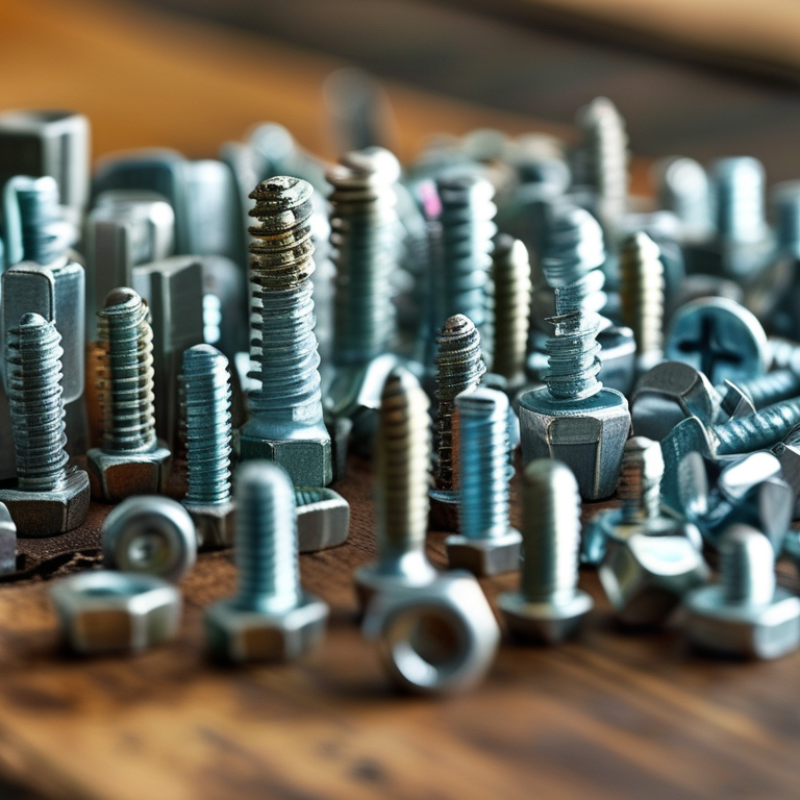
When choosing screw fasteners, understanding the variety available in the market is crucial. Screws come in many types, each designed for specific applications. For instance, wood screws have coarse threads ideal for gripping wood. In contrast, machine screws have a uniform diameter, making them suitable for fastening metal parts. These distinctions help ensure you select the right screw for your project.
Beyond the basic types, there are also fastening techniques to consider. Self-tapping screws create their own hole, simplifying installation. However, they can strip if over-tightened. Meanwhile, lag screws provide added strength for heavy-duty applications but require pre-drilled holes. A surprising number of people overlook these details, leading to project failures.
Choosing the right screw is not just about the type but also the material. Stainless steel resists corrosion, making it perfect for outdoor use. Conversely, carbon steel is often stronger but may rust. It’s essential to weigh the pros and cons of each option based on the specific environment and stress conditions. Recognizing these nuances can enhance your decision-making process.
Key Factors to Consider When Selecting Screw Fasteners for Your Project
When selecting screw fasteners, consider several key factors that influence your project’s success. Material choice is crucial; different materials, like stainless steel or brass, offer varying degrees of corrosion resistance and strength. Think about where the fasteners will be used. For outdoor projects, opt for materials that endure harsh environments. It’s essential to ensure that the screw can withstand exposure to moisture and temperature fluctuations.
Thread type and length also play important roles. Coarse threads provide better grip in softer materials, while fine threads work well in harder substances. Check the overall length to guarantee the screw penetrates adequately without the risk of breaking. The diameter is equally significant; select a thickness that supports the intended load. A screw that is too thin may fail, while one that is overly thick could split the material.
Don’t overlook head type; it affects how the screw can be driven and removed. Choose between flat, round, or hex heads, depending on the tools you have. Lastly, reflect on your project needs. Sometimes, a fastener that seems perfect might not work due to unforeseen challenges. Analyzing these aspects carefully will lead to better decisions and a more resilient final product.
Material Selection: Choosing the Right Screws for Durability and Strength
Choosing the right screw fasteners requires careful consideration of materials. The material impacts overall durability and strength. According to a recent industry report, corrosion-resistant materials often outperform traditional choices. For instance, stainless steel screws exhibit a tensile strength exceeding 700 MPa, performing well in various environments.
Additionally, using carbon steel may seem cost-effective initially. However, it's crucial to note its susceptibility to rust and wear. Many experts recommend using coated screws for added durability. A study revealed that coated screws have a lifespan increase of about 30% in outdoor applications compared to uncoated alternatives.
When selecting screws, consider the specific environment and application. High moisture areas demand resistive materials like marine-grade stainless steel. Ignoring this can lead to premature failure. It’s important to balance cost with longevity in your choices. Scrutinizing the material properties can prevent future headaches and enhance project outcomes.
Material Selection for Screw Fasteners: Durability vs. Strength
Assessing Size and Length Requirements for Optimal Screw Performance
Choosing the right screw fasteners requires careful consideration of size and length. The performance of a screw largely depends on these dimensions. Industry research shows that nearly 75% of fastening failures stem from incorrect screw size. Therefore, understanding your project’s specific needs is crucial.
When assessing length, remember that the screw needs to penetrate sufficiently into the material. A general guideline is to aim for at least 1.5 times the thickness of the material being fastened. For example, if you’re securing a ¾ inch board, consider a screw length of at least 1 inch. This ensures a strong hold without risking material damage or inadequate fastening.
Consider the project type. If you’re working with soft wood, a shorter screw may suffice. Hardwoods, however, require longer screws to improve holding strength. A report from the Fastener Manufacturers Association indicates that the right screw length can improve holding capacity by up to 30%. Before selecting a screw, measure carefully and think about the material you're using. This thoughtful approach often prevents costly errors and weak connections.
How to Choose the Right Screw Fasteners for Your Needs? - Assessing Size and Length Requirements for Optimal Screw Performance
| Screw Type | Material | Size (Diameter) | Length | Application |
| Wood Screw | Steel | #8 | 2 inches | Wood Furniture Assembly |
| Sheet Metal Screw | Stainless Steel | #10 | 1 inch | Metal Sheet Assembly |
| Lag Screw | Carbon Steel | 1/2 inch | 3 inches | Heavy Duty Installation |
| Self-Tapping Screw | Alloy Steel | #6 | 1.5 inches | Plastic and Thin Metal |
| Drywall Screw | Phosphate Coated Steel | #6 | 1 inch | Drywall Installation |
Common Applications and Uses of Various Screw Fasteners
Screw fasteners come in various types, each designed for specific applications. Wood screws are ideal for furniture assembly. They have sharp tips that facilitate easy penetration into wood. Machine screws, on the other hand, work well with metal materials. They require nuts or washers for securing, making them less versatile but reliable for heavy-duty tasks.
Another common option is sheet metal screws. They have a unique thread design that enables them to grip thin pieces of metal securely. When choosing fasteners, consider your project requirements. The environment where these screws will be used matters. Corrosive settings may need stainless steel screws to prevent rust. Additionally, pilot holes can enhance performance when working with dense materials.
Choosing the right screw involves some trial and error. Many find it challenging to select the correct type for different applications. As you gain experience, the process becomes clearer. Observing how different screws perform in real-life situations can provide valuable insights. This practical knowledge can guide you in selecting the best fasteners for future projects.