How to Choose the Best Pneumatic Chisel in 2026?
Choosing the best Pneumatic Chisel in 2026 requires more than comparing prices or advertised impact rates. In a busy workshop, the right tool should remove rusted bolts, break tile, or shape masonry without exhausting the operator. A compact 2.8 CFM model may suit light repairs, while demanding work often needs higher airflow and a stable 90 PSI supply. Check the compressor first. Many buying mistakes begin there.
This guide examines measurable details, including impact frequency, shank compatibility, vibration control, trigger response, and maintenance access. It also considers real working conditions, such as cramped engine bays, dusty construction sites, and long repair sessions. Manufacturer specifications matter, but independent testing and verified user feedback can reveal heat buildup, air leakage, or uncomfortable grips. I have learned that a powerful tool is not always the most practical choice. Sometimes, it simply overwhelms a small compressor. That point deserves more attention.
Reliable selection also means checking safety instructions, replacement parts, warranty terms, and regional compliance requirements. Operators should use suitable eye, hearing, and hand protection. A tool that feels smooth during a five-minute test may become tiring after an hour. Therefore, this article compares performance with control, durability, serviceability, and total ownership cost. Some specifications remain difficult to compare fairly across brands. Readers should confirm current data before purchasing. The goal is a balanced decision, not a perfect promise.
Pneumatic Chisel Types and Their Primary Applications
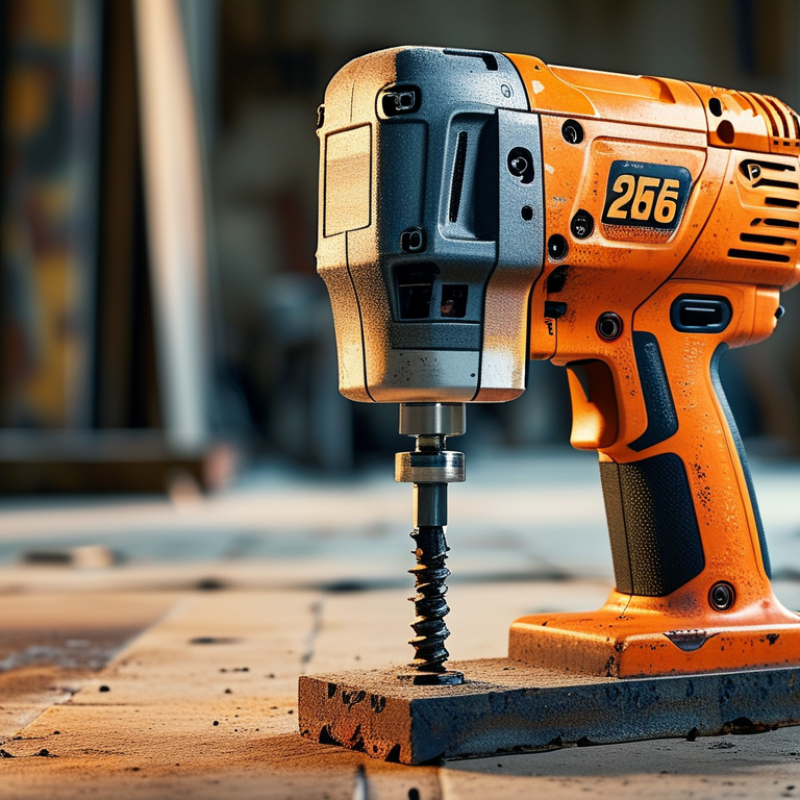
Choosing a pneumatic chisel starts with its working role, not its advertised impact rate. A standard air hammer suits light cutting, panel separation, and small masonry repairs. It uses short chisels and offers quick control in tight spaces. A heavy-duty demolition hammer delivers longer strokes and stronger impacts. Contractors use it for concrete edges, brick removal, and stubborn floor material. It demands a larger compressor and a steady air hose. Needle scalers use many thin needles instead of one cutting bit. They remove rust, old coatings, and loose scale from steel surfaces. Their finish is rough, but useful.
A rivet buster is designed for repeated metalwork. Its broad piston helps remove rivets and release seized joints. It is common in structural repair and fabrication shops. Choose bits by shank size, material, and access angle. Flat chisels cut sheet metal. Pointed chisels break brittle masonry. Gouge chisels open channels or clean weld areas. The wrong profile wastes air and leaves uneven edges. I have seen operators blame the tool when the bit was simply too blunt.
Before buying, compare air consumption at the stated pressure, not at idle. Check vibration control, trigger response, and service access. A quiet tool can still produce harsh hand fatigue after an hour. Use hearing and eye protection, secure the workpiece, and inspect fittings before each shift. These habits are practical, not decorative. I would also leave room for doubt. Published impact figures rarely match every compressor, hose, or material. Test the chisel on a small area first. That brief test often reveals more than a specification table.
How to Match a Chisel to Your Air Compressor
How to Choose the Best Pneumatic Chisel in 2026?
How to Match a Chisel to Your Air Compressor
Choosing a pneumatic chisel starts with the compressor, not the tool’s appearance. A compact chisel may feel powerful but consume more air than expected. Check its required pressure and air consumption in the technical specification. Then compare those figures with your compressor’s delivered air output at the same pressure. Tank size matters, but it does not replace continuous airflow.
Most workshop chisels operate near 90 psi, although exact requirements vary. Your compressor should provide more air than the chisel demands. A practical reserve of 20–30% helps prevent pressure drops during long tasks. I once tested a chisel with a large tank and poor output. It worked briefly, then slowed noticeably. The tank was not the real solution.
Air delivery also depends on the hose and fittings. A narrow, extended hose can restrict airflow before it reaches the handle. Use a suitable inside diameter, clean couplers, and a moisture filter. Water inside the tool can reduce lubrication and accelerate wear. Keep the setup simple.
Duty cycle deserves attention. A compressor that matches the numbers may still overheat during continuous chiseling. Watch its running time and recovery speed. If pressure falls below the tool’s working range, the chisel loses impact force. That weakness may seem like a tool problem. Sometimes, it is not.
Test the complete setup under realistic load. Listen for frequent compressor cycling. Check whether the hose becomes warm or the tool stalls. Specifications guide the choice, but workshop conditions reveal the truth.
Safety Features, Ergonomic Design, and User Comfort
How to Choose the Best Pneumatic Chisel in 2026?
When choosing a pneumatic chisel in 2026, safety should guide every specification, not just the purchase price. Look for a throttle that responds smoothly and stops quickly when released. A built-in retainer should keep the bit secure during overhead or awkward work. Check vibration information in the technical documentation. Compare it with your expected daily operating time. Wear eye, hearing, hand, and foot protection, even during short tasks. Short jobs still create flying fragments and sharp noise.
Ergonomics becomes obvious after several minutes, not at the display counter. Hold the tool with both hands and notice whether the grip stays stable without squeezing hard. A compact body can improve control inside narrow spaces. A padded, non-slip handle may reduce pressure on your palms. Balance matters too. If the front feels heavy, your wrist may bend repeatedly during chiseling. That small strain can become a stubborn ache by afternoon. I have found that “comfortable” is not always comfortable after an hour, so test the posture honestly.
Air supply also affects user comfort. A tool running below its required pressure can jerk, stall, or tempt users to push harder. Use a clean, regulated line and confirm the hose connection before starting. Some vibration remains unavoidable. That is worth admitting. Select a model with manageable impact force, accessible controls, and clear service information. Read the manual, inspect the retainer, and stop when numbness or unusual heat appears.
How to Choose the Best Pneumatic Chisel in 2026?
Safety Features, Ergonomic Design, and User Comfort
How to read the chart
The chart uses a practical 100-point selection framework: safety receives 40%, ergonomic design 35%, and user comfort 25%. Look for a safety trigger, a secure chisel retainer, controllable air supply, low hand-arm vibration, a balanced body, and a comfortable non-slip grip. For reference, 6.3 bar is a common nominal operating pressure for pneumatic tools; the European hand-arm vibration action value is 2.5 m/s² A(8), and occupational noise action levels commonly begin at 80 dB(A), with 85 dB(A) representing the upper action level.
Maintenance Requirements and Long-Term Tool Value
How to Choose the Best Pneumatic Chisel in 2026?
Maintenance requirements often reveal more than power ratings. A pneumatic chisel should have accessible wear parts and clear service instructions. Check how easily you can inspect the piston, retainer, and air inlet. If disassembly requires unusual tools, routine care may become delayed. That matters. Choose a model with a secure retainer and a comfortable grip, because vibration can loosen parts over time. During inspection, look for damaged springs, rounded tool shanks, and unusual exhaust noise. These small signs often appear before performance drops.
Clean, dry air protects the internal mechanism. Use a suitable filter, drain the compressor tank, and follow the recommended lubrication schedule. Too little oil increases friction. Too much may contaminate the work area. Inspect the hose and couplers before each shift, especially near bends and connection points. A pressure regulator also helps prevent unnecessary impact stress. In practice, maintenance is rarely perfect. Workers miss a cleaning cycle, or store the tool with moisture inside. Build simple habits instead: wipe the body, add approved oil, and record service dates.
Long-term value depends on repairability, not only purchase price. Compare replacement costs for springs, retainers, seals, and chisels. A tool that remains serviceable for years can reduce downtime and waste. However, a heavier model is not automatically better. Test its balance during a realistic task. Your wrist will notice the difference. Select the pneumatic chisel that fits your workload, air system, maintenance discipline, and available spare parts.