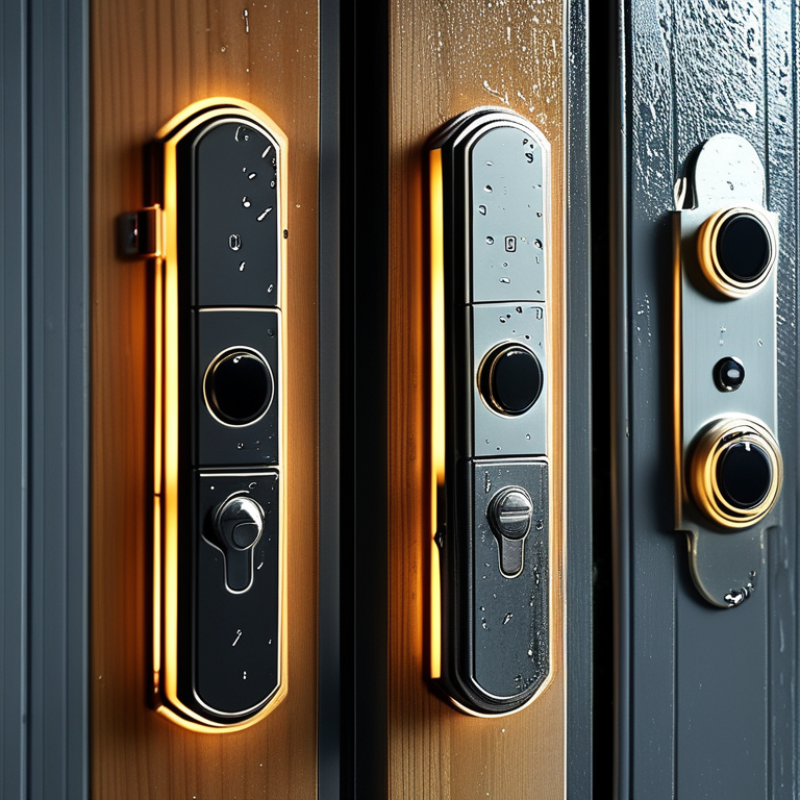
How to Choose the Right Door Switches for Your Needs?
Choosing the right door switches is not just about functionality; it impacts safety and convenience. Door switches play a crucial role in controlling lights, alarms, and security systems. The right switch can enhance user experience and ensure reliability.
When selecting door switches, consider the specific requirements of your environment. For example, outdoor switches need to withstand moisture and temperature changes. Indoor switches, however, might prioritize aesthetic appeal. Each choice affects daily operation.
Consulting professionals and understanding various switch types is essential. Some may offer advanced features like remote control. Others stick to basics yet maintain durability. It’s important to reflect on these choices. The right door switches can make a huge difference.
Understanding Different Types of Door Switches Available in the Market
When selecting door switches, understanding the types available is crucial. There are primarily three categories: mechanical, magnetic, and infrared. Mechanical switches require physical pressure to operate. They are widely used due to their simplicity and reliability. However, they may wear out over time, leading to maintenance concerns. Industry studies indicate that mechanical switches can fail after 500,000 actuations, prompting the need for careful consideration regarding longevity.
In contrast, magnetic switches utilize magnetic fields to detect the door's position. They are more durable and less prone to wear and tear. Reports show they can last over 1 million cycles. This could be an advantage for high-traffic areas. Infrared switches are often used in automatic doors. They work by sensing movement and can be quite effective. However, they may be influenced by environmental factors, such as temperature or humidity, which can lead to inconsistencies.
While choosing a switch, consider specific needs. For example, in a residential setting, a mechanical switch may suffice, offering cost-effectiveness. Yet, for commercial use, investing in magnetic or infrared options could lead to long-term reliability and reduced maintenance costs. The choice ultimately depends on the operational environment and expected usage levels. Balancing these aspects will help secure the best fit for your requirements.
Key Factors to Consider When Choosing Door Switches for Specific Applications
When selecting door switches, various factors are crucial. One must consider the application where the switch will be installed. For example, outdoor environments demand switches that can withstand harsh weather conditions. On the other hand, indoor applications might prioritize aesthetics. It's important to assess the durability needed based on usage frequency and environmental factors.
Compatibility with existing systems is another key aspect. You need to ensure that the chosen switch integrates seamlessly with your current setup. This requires examining the electrical specifications, such as voltage and current ratings. A mismatch can lead to failures or unsafe conditions. Additionally, think about the physical installation. Some switches require complex mounting procedures, which could lead to frustrations down the line.
User safety is paramount. Look for switches that have built-in safety features, such as overload protection. These features can prevent accidents and extend the switch's lifespan. However, even the safest options may have drawbacks. Costs can vary significantly, and sometimes the most expensive switch may not be the best choice for your segmentation. Balance quality with budget constraints, ensuring reliability without overspending.
Evaluating the Quality and Durability of Door Switches
When selecting door switches, evaluating their quality and durability is crucial. According to industry reports, 70% of product failures in electrical systems are due to poor quality components. Therefore, understanding the materials and designs used in door switches can significantly affect their reliability. Look for switches made with robust materials such as high-grade plastics or metals, which can withstand harsh conditions. Products with IP ratings for ingress protection can also resist dust and moisture better, extending their lifespan.
Moreover, conducting a lifecycle analysis can provide insights into a switch's durability. Data shows that door switches with a lifespan of over 1 million operations usually perform better. However, not all switches meet these standards. Some manufacturers may cut corners in production to reduce costs, leading to premature failure. It is essential to ask for performance validation reports and user testimonials. These can often reveal whether a switch can truly handle the intended environment.
Understanding these factors helps avoid expensive replacements and service calls. A sound investment relies on choosing switches designed for longevity. Market research has revealed that switches failing within a year can cost companies up to 20% of their annual maintenance budget. These statistics underline the importance of quality in the selection process for door switches.
How to Choose the Right Door Switches for Your Needs?
When selecting door switches, evaluating their quality and durability is critical. The following chart illustrates the average ratings of various features that influence quality and durability of door switches.
Installation and Compatibility Requirements for Door Switches
Choosing the right door switches requires an understanding of installation and compatibility needs. Door switches come in various types. Each has specific requirements for installation. For instance, some need a direct power source, while others can run on batteries. Make sure to check the voltage ratings and current flow required. Compatibility with your existing system is essential to avoid future malfunctions.
Consider the mounting options for the switch. Wall-mounted switches have different installation guidelines compared to surface-mounted ones. Choose a type that aligns well with your door frame and existing wiring. If the switch is not properly aligned, it may cause issues like false triggering. Confirm whether your door mechanism requires a normally open or normally closed switch. This detail is crucial for proper functionality.
Don’t overlook the environmental conditions. Some switches are designed for outdoor use. They are more durable and weather-resistant. If the switch is placed in a harsh environment, such choices will prolong its lifespan. Understanding these aspects can lead to better decision-making. Take your time reviewing these details before making a choice. Each missing detail can lead to inconvenience later on.
Maintenance Tips for Ensuring Long-Lasting Door Switch Performance
Maintaining door switches is crucial for their long-term performance. Regular checks can prevent unexpected failures. Inspect for dust, dirt, or debris that may hinder functionality. A simple wipe with a dry cloth can often do wonders. In more complex setups, consider using a mild cleaning solution, but be careful with moisture. Too much can lead to problems.
Listen for unusual sounds when operating the switch. If it feels sticky or unresponsive, it might be time for a closer look. Occasionally, lubricating the moving parts with a silicon-based lubricant can help. Avoid grease, as it attracts dirt and can cause further issues.
Consider the environment where the door switch operates. High humidity or extreme temperatures can affect performance. Installing protective casings can mitigate these risks. While you may not always notice minor problems, they can escalate. Regular maintenance creates a smoother operation and extends the lifespan of your door switches.
How to Choose the Right Door Switches for Your Needs? - Maintenance Tips for Ensuring Long-Lasting Door Switch Performance
| Criteria | Description | Recommendations |
| Switch Type | Determine which type suits your application (e.g., mechanical, magnetic, optical). | Choose based on the environment and required durability. |
| Operating Voltage | Identify the voltage requirement for proper function and safety. | Ensure compatibility with your electrical system (e.g., 12V, 24V, 120V). |
| Environment | Consider exposure to elements like moisture or dust. | Select weather-resistant or waterproof switches for outdoor use. |
| Mounting Style | Check if you need surface mount or flush mount options. | Choose based on installation preferences and space available. |
| Contact Rating | Assess the amperage and voltage the switch can safely handle. | Ensure it meets your device's electrical requirements. |
| Maintenance | Regular checks for functionality and wear can prolong lifespan. | Clean and lubricate switches as recommended. |