How to Choose Rock Wool Acoustic Panels for Your Space?
Acoustic treatment is crucial for improving sound quality in various spaces. When considering options, Rock Wool Acoustic Panels stand out for their effectiveness and versatility. These panels are not only made from natural minerals but are also eco-friendly. They can significantly reduce noise levels, enhancing the overall ambiance.
Choosing the right Rock Wool Acoustic Panel involves understanding your specific needs. Consider the panel thickness, density, and dimensions that suit your space. Each factor plays a role in sound absorption. You may find that some panels complement your decor better than others. Aesthetics matter, but function is critical. Mistakes can happen if you overlook essential features.
It's essential to ensure the panels fit well within your design plans while delivering the desired auditory results. Research different options and think about installation methods. The right choice not only improves your sound environment but also reflects personal style. This thoughtful process can yield impressive results, creating a harmonious atmosphere in your space.
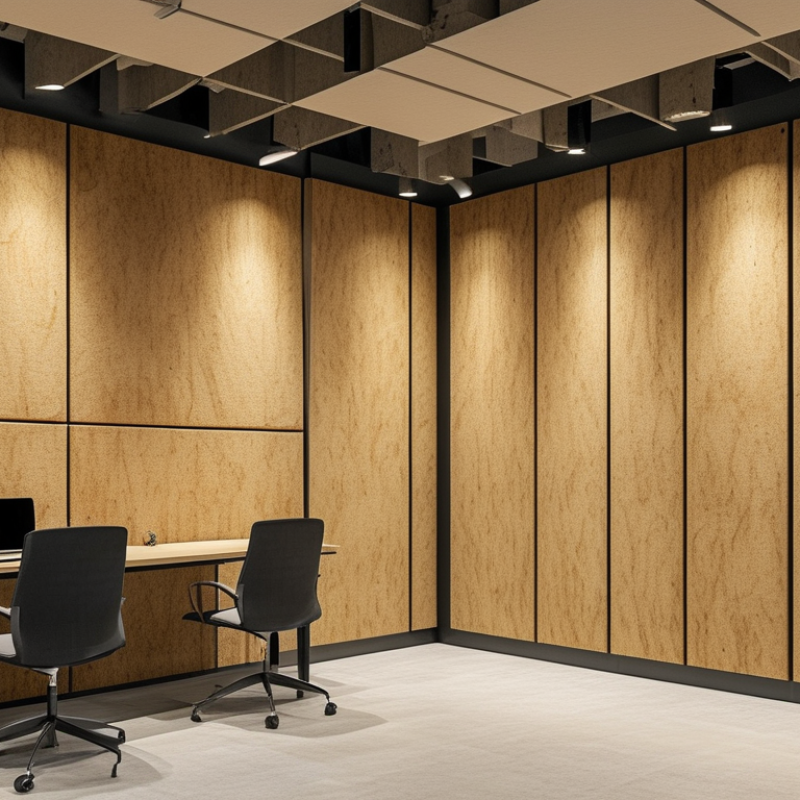
Understanding Rock Wool Acoustic Panels: Composition and Benefits
Rock wool acoustic panels are a popular choice for soundproofing and improving acoustics in various spaces. Made from natural minerals, these panels are dense and fibrous, which helps absorb sound waves effectively. Their structure is designed to trap sound, making them ideal for studios, offices, and homes. The use of rock wool can lead to a significant reduction in noise pollution, creating a more pleasant environment.
One key benefit of rock wool panels is their fire resistance. They can withstand high temperatures, which adds a layer of safety in any setting. Additionally, their moisture-resistant properties make them suitable for humid areas. However, some users may find them a bit heavy to install. Ensure you have the right support structures in place. It’s essential to evaluate your needs and the installation space carefully, as improper placement can diminish their effectiveness.
Choosing the right density and thickness for these panels is crucial. Thicker panels tend to absorb lower frequencies better, while thinner ones are effective for mid and high frequencies. Consider the specific sound issues you face in your room. It can be worth discussing your requirements with an expert to get tailored advice. The installation may also require some trial and error, so stay open to adjustments for optimal results.
Key Acoustic Properties of Rock Wool Panels: NRC and SAA Ratings Explained
When considering rock wool acoustic panels, it's essential to understand their key acoustic properties. Two important ratings to look for are Noise Reduction Coefficient (NRC) and Sound Absorption Average (SAA). NRC is a single-number rating that evaluates the material's ability to absorb sound. An NRC rating closer to 1 indicates better sound absorption. For example, panels with an NRC of 0.85 effectively reduce noise in rooms like recording studios or home theaters.
SAA measures the average sound absorption across different frequencies. A higher SAA means better performance in a broader range of sound frequencies. Rock wool panels typically have high SAA ratings, making them versatile for various applications. According to the American Society for Testing and Materials, good acoustic treatment can decrease noise levels significantly, enhancing clarity and comfort in spaces.
Tips: When selecting panels, check for both NRC and SAA ratings. Look for products with documented test results. Explore different panel thicknesses, as this can impact absorption effectiveness. Ultimately, your choice should align with the specific acoustic needs of your space. Pay attention to installation techniques, as improper mounting can negate the benefits of high-performance panels.
Assessing the Installation Requirements for Rock Wool Acoustic Panels
Installing rock wool acoustic panels requires careful preparation. Measure your space accurately before purchasing the panels. Knowing the dimensions helps in selecting the right quantity and size. Consider the area where noise reduction is most needed. This may be a home studio, office, or conference room.
Check the installation requirements for your specific panels. Some may need adhesive for mounting, while others could require a frame. Ensure that you have all necessary tools on hand before starting. Stud finders and level tools can make the installation smoother. The panels' thickness can vary, impacting how they attach to different surfaces.
Be mindful of your skill level. Some may find installation straightforward, while others could struggle. Even minor misalignments may affect the sound absorption quality. Take your time, measure twice, and fit carefully. A well-installed acoustic panel will enhance your space significantly.
Choosing the Right Density and Thickness for Optimal Sound Absorption
When selecting rock wool acoustic panels, the density and thickness play crucial roles in sound absorption. Research indicates that panels with a density of 60-80 kg/m³ provide excellent performance in mid to high-frequency sound absorption. This range helps in environments like studios and open offices, where noise control is essential. Additionally, the thickness of panels ranges from 25 mm to 100 mm. Thicker panels typically capture lower frequencies more effectively. For instance, a 100 mm thick panel can absorb sounds below 500 Hz more efficiently than thinner alternatives.
It's essential to consider specific space requirements. While high-density panels are effective, they might not be the best fit for all scenarios. For example, in smaller rooms with limited space, thinner options could suffice and still deliver adequate sound absorption. Acoustic treatment needs vary, and it’s important to test different combinations to find the right balance. Sound evaluation tools, like the Noise Reduction Coefficient (NRC), can guide your choices. Many professionals recommend aiming for an NRC of 0.80 or higher for optimal sound control.
Remember, achieving the perfect acoustic environment often takes time and experimentation. Small adjustments can lead to significant improvements. Regular assessments of panel performance are necessary. These insights aid in refining the acoustic quality of your space, making it more conducive for activities like music production or focused work.
Cost Analysis: Budgeting for Rock Wool Acoustic Panels in Your Space
When budgeting for rock wool acoustic panels, consider not just the purchase price. Installation costs can significantly impact your overall budget. Professional installation may start at $1.00 per square foot, according to industry standards. DIY installation can save you money, but you must weigh your skills against potential errors.
Materials also vary in price. Basic rock wool panels may cost around $0.80 to $2.50 per square foot. High-density versions for soundproofing might reach $3.50 per square foot. Ensure you calculate the total area of your space. For instance, a 500-square-foot room can have costs ranging from $800 to $1,750 just for the panels.
Remember to include any additional expenses. You might need adhesive or specific tools. Energy efficiency should also be a consideration; some studies suggest that proper acoustic treatments can save up to 15% on energy costs over time. Evaluating these factors is crucial for an accurate budget.
How to Choose Rock Wool Acoustic Panels for Your Space? - Cost Analysis: Budgeting for Rock Wool Acoustic Panels in Your Space
| Panel Type | Dimensions (inches) | Thickness (inches) | Cost per Panel ($) | Coverage Area (sq. ft.) | Noise Reduction Coefficient (NRC) |
| Standard Rock Wool Panel | 24 x 48 | 2 | 50 | 8 | 0.90 |
| High Density Rock Wool Panel | 24 x 48 | 4 | 75 | 8 | 0.95 |
| Acoustic Absorption Panel | 48 x 48 | 2 | 65 | 16 | 0.85 |
| Decorative Acoustic Panel | 24 x 24 | 2 | 40 | 4 | 0.80 |