How to Choose a Chipboard Slotting Machine in 2026?
Choosing a Chipboard Slotting Machine in 2026 requires more than comparing speed, price, and catalog photographs. The decision affects scoring accuracy, waste levels, labor demand, and carton consistency. A machine may run quickly, yet produce uneven slots when board moisture changes. That detail matters.
Recent industry research supports this concern. Smithers’ reports on folding cartons and corrugated packaging identify automation, material efficiency, and shorter production runs as major market priorities. PMMI’s packaging machinery studies also highlight labor shortages and the growing need for flexible, easier-to-operate equipment. FEFCO’s industry statistics show the continuing scale of European corrugated production. These findings suggest a practical direction: buyers should evaluate changeover time, feeding stability, dust control, tooling accuracy, and after-sales support together.
Walter Soroka, a recognized packaging-technology author, describes packaging as “the art, science, and technology of enclosing and protecting products.” His statement applies directly to slotting equipment. A machine is not merely cutting board. It is shaping the product’s final protection and presentation. Therefore, this guide examines machine structure, slot dimensions, servo control, maximum sheet size, maintenance access, and real production samples. Ask for evidence.
A perfect machine rarely exists. That is worth remembering. The fastest model may waste more material during setup. The cheapest model may create expensive downtime later. Buyers should also question supplier claims, request verified test results, and compare performance using their own chipboard grades. This approach supports a more reliable purchase decision in 2026.
Understanding Chipboard Slotting Machine Types and Applications
How to Choose a Chipboard Slotting Machine in 2026?
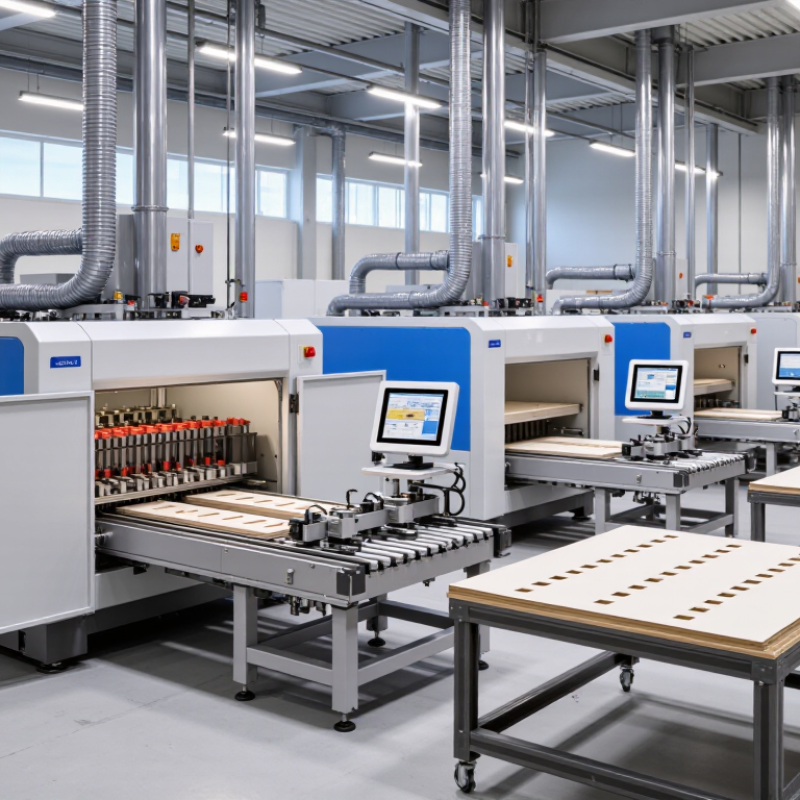
Understanding machine types matters more than chasing maximum speed. A chipboard slotting machine may use rotary knives, reciprocating blades, or CNC-controlled routing tools. Rotary systems suit repeated carton inserts and partition runs. Reciprocating blades handle short batches and irregular layouts. CNC routers offer flexible prototypes, but they usually create more dust and require stronger extraction. In production trials, groove accuracy depends on board density, moisture, and tool sharpness. Small errors can make tabs loosen.
Applications also determine the right configuration. Folding cartons need clean, shallow slots with limited surface damage. Rigid boxes often require deeper grooves and stable clamping. Display units may demand wide slots, angled cuts, and frequent format changes. Check the machine’s working width, thickness range, positioning tolerance, and changeover time. Ask for a sample test using your actual chipboard. Catalog specifications can look impressive. Real board can behave differently.
Smithers’ 2024 folding-carton market analysis indicates roughly 4% annual growth through 2029, increasing pressure for efficient customization. Mordor Intelligence’s 2024 chipboard packaging report forecasts growth above 6% annually during its stated period. These figures support investment, but they do not justify buying the fastest machine. A slower system with accurate slot depth may reduce rejected panels and manual trimming. Energy use, dust control, operator access, and maintenance should enter the calculation. One weakness remains easy to miss: automation cannot correct poor board storage.
Assessing Board Materials, Slotting Patterns, and Production Requirements
How to Choose a Chipboard Slotting Machine in 2026?
The board material should guide the machine choice, not the advertised speed. Chipboard varies in thickness, density, moisture content, and surface coating. Recycled board may crush at the slot edge, while dense coated board can demand sharper tooling. Check caliper with a micrometer and inspect the cut after a short trial run. A clean slot has firm edges, minimal dust, and no visible delamination. Measure twice.
Slotting patterns also affect machine configuration. Straight slots suit simple trays, but locking cartons may require staggered slots, narrow openings, or carefully aligned cutouts. Confirm the required slot width, depth, spacing, and tolerance before comparing equipment. In practical trials, I have found that a pattern looking simple on paper can cause feeding problems when waste strips remain attached. That assumption can fail. Test the actual die layout with production board, not sample paper.
Production requirements determine whether the machine remains reliable under pressure. Review sheet dimensions, hourly volume, feeder stability, setup time, dust extraction, and tool-change access. A high-speed unit may be unsuitable if operators lose twenty minutes during every format change. Record jams, edge damage, and alignment errors across several batches. I once underestimated humidity, and slot accuracy shifted during a long run. That mistake was useful. It showed why climate control, routine calibration, and operator training belong in the purchase decision. Ask for documented tolerance results and a live demonstration using your own board and slotting pattern.
Comparing Machine Specifications, Accuracy, Speed, and Automation
How to Choose a Chipboard Slotting Machine in 2026?
Choosing a chipboard slotting machine requires more than checking its maximum speed. Start with board thickness, slot width, cutting depth, and working size. These specifications must match your daily production range. A rigid frame reduces vibration during cutting. That matters for clean edges and stable dimensions. Measure the finished slot. Small errors can affect folding, assembly, and product appearance.
Accuracy should be tested with real chipboard samples, not only factory data. Ask for repeatability records and inspect several finished pieces. Speed needs control. A fast machine may reduce quality when dust, warped sheets, or complex layouts appear. Servo positioning, automatic feeding, and programmable settings can improve consistency. They also reduce manual adjustments. However, automation does not remove every problem. Operators still need training, maintenance access, and clear safety procedures. I have seen production teams choose advanced controls, then use only basic functions. That decision deserves reflection.
Tips: Compare output quality at your target speed. Check setup time between different slot patterns. Review dust extraction, blade replacement, sensor reliability, and emergency controls. Request a practical demonstration using your own material. Leave room for future orders, but avoid paying for features your operators cannot support. Record accuracy after several hours of operation, not just during a short test.
Evaluating Safety Features, Maintenance Needs, and Operating Costs
How to Choose a Chipboard Slotting Machine in 2026?
Safety should be evaluated before cutting speed. Look for enclosed tooling, interlocked guards, emergency stops, and clear viewing panels. OSHA identifies inadequate machine guarding as a recurring cause of serious workplace injuries. ISO 12100 also supports risk assessment during machine selection. Ask for documented test results, not only sales claims. A quiet motor does not prove safe operation.
Maintenance affects both uptime and labor. Choose a machine with accessible blades, labeled lubrication points, and replaceable wear parts. The U.S. Department of Energy’s Operations and Maintenance Best Practices Guide reports that predictive maintenance can reduce costs substantially compared with reactive repairs. However, sensors are not magic. Dust can confuse them, while neglected cleaning still causes jams. My checklist should include cleaning time, spare-part availability, and technician training.
Operating cost includes electricity, setup waste, compressed air, and unplanned stoppages. Deloitte’s 2022 Global Smart Factory Study found that 86% of manufacturers considered smart-factory investment important for future competitiveness. That does not mean every chipboard plant needs complex automation. Compare energy data at realistic loads, not showroom conditions. A lower-priced machine may become expensive through slow changeovers and frequent blade replacement. I once gave too much weight to hourly output. That was incomplete. Labor minutes and rejected sheets often matter more.
Selecting a Reliable Supplier and Planning for Future Production Needs
How to Choose a Chipboard Slotting Machine in 2026?
A reliable supplier matters more than an impressive machine brochure. Smithers’ 2024 packaging forecast expects the global packaging market to exceed US$1.2 trillion by 2028. That growth increases pressure on converters to improve speed, consistency, and waste control. Ask suppliers for sample runs using your actual chipboard grades. Check slot depth, crease accuracy, dust removal, and changeover time. Numbers on paper can disappoint.
Experience shows that service response often decides machine uptime. Request references from factories with similar board thicknesses and order volumes. Confirm technician availability, spare-part lead times, software updates, and operator training. A practical supplier should explain maintenance intervals clearly. It should also admit the machine’s limits. That honesty is useful. Review documented test results, electrical standards, guarding, and safety certification before signing. Independent verification remains wise.
Tips: Plan beyond today’s largest order. PMMI industry research repeatedly identifies labor availability and automation as major packaging concerns. Choose modular feeding, quick tooling changes, recipe storage, and inspection options. Leave space for a wider feeder or extra finishing unit. Calculate output using realistic downtime, not the supplier’s best hour. I once saw a production plan fail because board warping was ignored. That mistake was avoidable. Build a three-year capacity model, including new carton sizes, seasonal peaks, maintenance hours, and operator skill levels. Future demand is uncertain. Your machine should not be.