Why Choose 316L Hygienic Bolts for Your Industrial Needs?
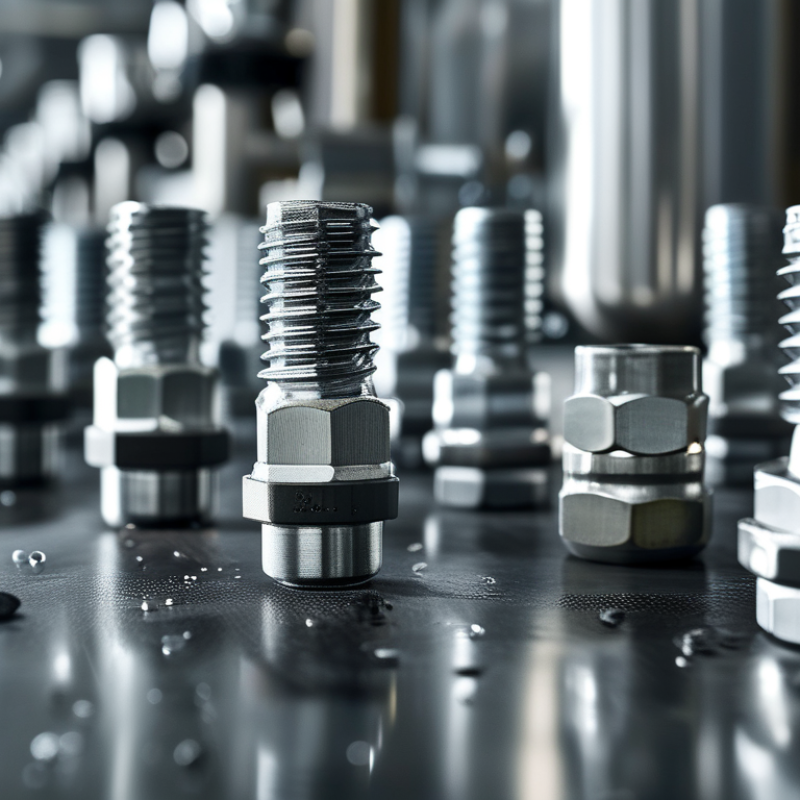
In today's industrial landscape, the choice of materials can significantly impact operations. Among the various options, 316L hygienic bolts stand out for their unique properties. These bolts are specifically designed for applications requiring stringent hygiene standards. They play a vital role in industries such as food processing, pharmaceuticals, and biotechnology.
316L hygienic bolts offer excellent corrosion resistance, making them reliable in harsh environments. Their smooth surfaces prevent bacterial growth, which is critical in maintaining safety. Many industries prioritize these bolts for their durability and reliability, ensuring long-lasting performance. Companies that utilize 316L hygienic bolts often report fewer maintenance issues.
However, selecting the right bolts can be challenging. Potential buyers need to consider factors like compatibility with existing materials and specific industry requirements. Some may overlook the importance of quality certification. This can lead to operational risks and increases in costs. Understanding these aspects helps in making informed decisions for industrial needs.
Benefits of 316L Stainless Steel in Industrial Applications
316L stainless steel is a top choice for industrial applications. Its excellent corrosion resistance is crucial in environments exposed to moisture or aggressive chemicals. This material withstands harsh conditions, ensuring the longevity of machinery and equipment. Industries like food and pharmaceuticals benefit immensely from using 316L hygienic bolts. They contribute to maintaining sanitary standards.
Other qualities enhance the appeal of 316L. The low carbon content minimizes the risk of carbide precipitation. This results in improved weldability and strength. It allows for easy fabrication while ensuring strong joints. Despite these benefits, it is essential to consider the cost compared to other materials. Sometimes, businesses may feel tempted to opt for less expensive alternatives. However, investing in durable materials like 316L often leads to greater savings over time.
Potential buyers should be aware of the heat treatment process. Improper management can affect the mechanical properties. It's wise to consult experts to avoid pitfalls during installation. Thorough research can prevent future issues with corrosion or structural integrity. Being informed about the characteristics of 316L is key to making the right choice.
Why Choose 316L Hygienic Bolts for Your Industrial Needs?
| Feature | Description | Benefits |
| Corrosion Resistance | 316L stainless steel offers excellent resistance to corrosion from a variety of chemicals. | Increased durability and longevity of components in harsh environments. |
| Hygienic Properties | Smooth surface finish prevents bacteria and contaminants from adhering. | Ensures compliance with stringent hygiene standards in industries like food and pharmaceuticals. |
| Temperature Resistance | Can withstand high temperatures without losing strength. | Suitable for applications involving heat exposure. |
| Tensile Strength | Superior tensile strength compared to other stainless steels. | Enhances reliability under mechanical stress. |
| Low Carbon Content | Less susceptible to carbide precipitation during welding. | Improves weldability while maintaining corrosion resistance. |
Key Properties of 316L Hygienic Bolts for Sanitary Use
When it comes to industrial applications, 316L hygienic bolts are a superior choice. Their key properties make them ideal for sanitary use. Firstly, 316L stainless steel exhibits excellent corrosion resistance. This is crucial in environments that regularly encounter moisture or harsh chemicals. The smooth surface helps to prevent the accumulation of bacteria, ensuring a cleaner and safer workspace.
Another significant property is their high tensile strength. 316L bolts maintain their integrity under high pressure. This reliability is essential for industries like food processing, pharmaceuticals, and biotechnology, where safety standards are strict. The strength also means lower maintenance costs and fewer replacements, which can be a significant budget saver.
For optimal performance, consider the specific applications where these bolts will be used. Understanding the operating environment helps in choosing the right materials. Regular inspections can prevent issues before they escalate. Lastly, check for compatibility with other materials used in your system to avoid unexpected reactions. This careful consideration can enhance the longevity of your installations and improve overall efficiency.
Comparison of 316L with Other Bolt Materials in Hygiene Standards
When it comes to hygiene standards in industrial settings, the choice of bolt materials greatly impacts safety and compliance. 316L stainless steel bolts are often favored for their superior resistance to corrosion and bacterial growth. In contrast, carbon steel or lower-grade stainless steels like 304 may not meet stringent hygiene requirements. Reports indicate that 316L contains molybdenum, enhancing its ability to withstand harsh environments, with corrosion resistance up to 20% greater than 304.
Selecting the right material can be pivotal. Data from the International Stainless Steel Forum shows that stainless steel accounts for over 70% of the food-grade fastener market. This highlights its importance in sectors like food processing and pharmaceuticals, where hygiene is non-negotiable. However, the choice isn't always straightforward. While 316L is the ideal choice for many applications, cases exist where lower-cost alternatives might be suitable—albeit with increased risks.
For optimal outcomes, it's crucial to consult with industry experts before making decisions. Many industries overlook the long-term cost of failure associated with using inferior materials. Regular assessments and audits of existing fasteners also play a vital role. Companies may find that upgrading to 316L bolts not only improves hygiene but also enhances reliability and durability, ultimately reducing downtime.
Applications of 316L Hygienic Bolts in Various Industries
316L hygienic bolts are increasingly popular in various industries for their unique properties. These bolts boast excellent corrosion resistance, making them ideal for environments that require hygiene and cleanliness. The food and beverage industry uses 316L bolts extensively. They help ensure that machinery components meet strict sanitary requirements. This prevents contamination during production processes.
Pharmaceutical manufacturing also benefits from 316L hygienic bolts. In this sector, equipment must maintain high standards of cleanliness. 316L bolts are non-reactive and easy to clean. Regular maintenance is essential to keep equipment functioning at its best. This sometimes requires considerable effort, especially in complex systems where every component plays a role.
The dairy industry also relies on 316L bolts. They support operations like pasteurization, where high temperatures and moisture levels are common. Maintaining the integrity of these fasteners is crucial. Occasionally, wear and tear may occur, necessitating regular inspections and replacements. Using reliable materials can significantly reduce equipment failures and improve overall efficiency in production lines.
Applications of 316L Hygienic Bolts in Various Industries
Maintenance and Care Tips for 316L Hygienic Bolts
When it comes to maintaining 316L hygienic bolts, regular inspection is key. These bolts are resistant to corrosion and bacteria, which is essential in industrial environments. However, they still need attention. A simple visual check can reveal signs of wear or damage. If you notice discoloration or pitting, it’s time to replace them. Ensuring the bolts remain clean is crucial for their longevity.
Cleaning 316L bolts should be done with non-abrasive solutions. Harsh chemicals can degrade the surface. A gentle detergent and warm water often do the trick. Scrubbing with a soft cloth avoids scratches. These bolts thrive in dry conditions. Moisture can lead to rust. Store them in a controlled environment to prevent any deterioration.
Even with high resistance, 316L bolts are not invincible. They can become loose due to vibration or thermal expansion. Regular tightening may be necessary. Create a routine maintenance schedule. This helps catch potential issues early. Establishing these practices can ensure the bolts perform effectively for years.