What Is the Best UV DTF Machine from China?
Choosing the best Uv Dtf Machine from China requires more than comparing prices and printed samples. A machine may produce bright labels during a showroom test, yet struggle after eight hours of daily operation. Ink adhesion, white-layer consistency, curing performance, and transfer accuracy all matter. Small details often decide the final result.
A dependable evaluation should begin with real production needs. Consider the materials you print, expected monthly volume, available workshop space, and operator experience. Request test samples using your own artwork, especially fine text, gradients, and curved surfaces. Check print width, resolution, speed, ink configuration, maintenance routines, and software compatibility. Ask the supplier how quickly replacement parts arrive. Ask who provides technical support after installation.
Supplier credibility also deserves careful attention. Review company history, factory capabilities, customer feedback, warranty terms, and training options. Independent verification is valuable. Do not rely only on polished videos. A live demonstration can reveal banding, uneven white ink, or slow cleaning procedures. The cheapest option may become expensive when downtime increases.
There is no universal winner. The right choice depends on evidence, service quality, and stable long-term performance. Some buyers focus too heavily on speed and regret ignoring maintenance. Others overlook ventilation, workspace temperature, or operator training. These weaknesses are easy to miss. This guide compares popular Chinese models through practical criteria, helping readers make a clearer and more responsible purchasing decision.
What Is a UV DTF Machine and How Does It Work?
What Is a UV DTF Machine and How Does It Work?
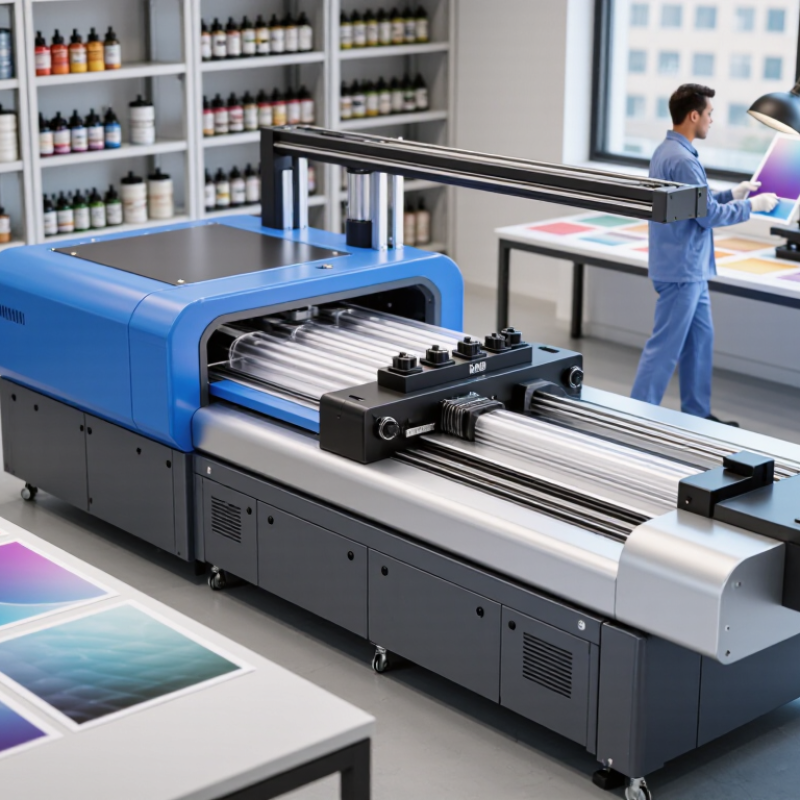
A UV DTF machine prints designs onto a special film instead of printing directly on an object. The process usually uses two films. Film A receives white ink, color ink, and sometimes clear varnish. A UV lamp cures each ink layer almost immediately. The printed film then bonds with Film B through a laminating unit, creating a transferable sticker-like design.
When the transfer is pressed onto a smooth surface, the image moves from the film to the product. Glass, coated metal, acrylic, ceramic, and some plastics can work well. Heat is usually unnecessary. This makes UV DTF useful for irregular hard objects that cannot enter a flat printer. The final texture may feel slightly raised, especially where clear varnish is applied.
A reliable machine needs accurate ink control, stable UV curing, and even film feeding. A practical buyer should inspect printhead maintenance, RIP software support, curing strength, and spare-part availability. In workshop conditions, humidity and dust can affect adhesion. Small bubbles may also appear during lamination. The process sounds simple, but it is not forgiving. Test several films before accepting large orders. I would not judge a machine by speed alone; color consistency and transfer durability matter more. Some machines advertise broad material compatibility, yet real results can vary with surface coatings and cleaning methods.
What Is the Best UV DTF Machine from China?
UV DTF printing creates transfers by printing UV-curable ink onto an A film, curing the ink with ultraviolet light, and laminating it with a B film. The layer order below shows the standard production structure used by UV DTF systems.
How it works: The A film carries the printed design through the printer. UV LEDs cure the ink immediately after deposition, while the varnish layer provides surface protection and texture. The laminated B film holds the finished transfer until it is peeled and applied to a clean, smooth surface such as glass, metal, acrylic, ceramic, or plastic.
Which Specifications Define a High-Quality UV DTF Machine?
A high-quality UV DTF machine starts with stable print resolution, not attractive sales claims. Look for 1,200 dpi or higher output, precise droplet control, and consistent color across repeated sheets. A reliable ink system should include white-ink circulation, sealed reservoirs, and visible ink-level monitoring. Without circulation, white ink may settle overnight and create cloudy areas or blocked nozzles. That happened during one small production test.
Curing performance also defines practical quality. The UV lamp should cure ink evenly across the full film width, including the edges. Under-cured ink can feel tacky, while excessive heat may distort thin film. Ask for test samples using glass, metal, leather, and curved plastic surfaces. Adhesion varies greatly. A print that looks excellent on film may fail after rubbing or bending. Independent testing matters more than a factory video.
The machine should support accurate film feeding, adjustable pressure, and a laminating system with minimal bubbles. A dependable RIP workflow, color profiles, and automatic maintenance functions reduce daily waste. Printhead alignment must remain stable after several hours of operation. Check replacement-part availability, technician response time, training, and warranty terms before buying from China. These details affect total cost more than the purchase price. I would also inspect noise, cleaning access, and emergency stops in person. Some specifications look impressive on paper, yet real production can expose uneven curing or difficult maintenance.
How Do Chinese UV DTF Machines Differ by Application?
Choosing the best UV DTF machine from China depends on the work it must perform. A machine for glass bottles needs different strengths from one producing flat phone-case decals. For small stickers, compact equipment with accurate color registration can reduce film waste. For wood, metal, or textured surfaces, strong white ink coverage and dependable curing matter more. Curved products also require flexible transfer film and stable ink adhesion.
Production volume changes the decision. A small workshop may value easy cleaning, simple software, and low material consumption. A busy decorator may need a wider print area, automatic white-ink circulation, and consistent output during long shifts. From practical testing, printhead maintenance often affects results more than advertised speed. A beautiful sample can hide uneven white layers, weak adhesive, or banding after several hours. I have also found that application testing is sometimes overlooked.
Tips: Request sample prints on your actual materials. Check fine text, dark backgrounds, curved edges, and scratch resistance. Ask about local technical support, spare parts, warranty terms, and training. Do not judge performance from one perfect sample. Test repeated production instead.
What Should Buyers Check Before Choosing a UV DTF Machine?
Before choosing a UV DTF machine from China, buyers should inspect its printing process, not only its advertised speed. Ask for a live sample using your intended film, ink, and design size. Check whether small lettering remains sharp after transfer. Examine gradients, white ink density, and the edge of transparent graphics. A clean finish matters more than impressive showroom numbers.
White ink circulation deserves close attention. Poor circulation can cause settling, blocked nozzles, and uneven colors. Request maintenance records, recommended cleaning steps, and expected printhead life. The machine should also provide stable curing, adjustable print resolution, and reliable film feeding. Test several continuous hours, because short demonstrations can hide alignment or overheating problems.
Support is equally important. Confirm spare-part availability, remote troubleshooting, training, and response times before payment. Review the electrical requirements and safety documentation for your location. Calculate the full operating cost, including ink, film, cleaning fluid, waste, and downtime. I would not trust a supplier that refuses independent sample testing. A perfect machine rarely exists. My own judgment can be too optimistic when the price looks attractive, so I would compare performance data with real production demands. A cheaper purchase may become expensive if maintenance is confusing or parts arrive slowly.
How Can You Evaluate Suppliers, Costs, and Support?
Choosing the best UV DTF machine from China requires more than comparing online prices. A practical evaluation starts with the supplier’s manufacturing evidence. Request factory videos, machine serial records, and recent test samples. Inspect lettering edges, white-ink density, film adhesion, and curing consistency. A clean sample can hide poor maintenance. Ask for an unedited, continuous production test using your artwork. Suppliers with technical knowledge explain printheads, ink compatibility, RIP settings, and expected maintenance. Vague promises deserve caution.
Cost should include more than the machine quotation. Calculate freight, import charges, replacement printheads, inks, films, software, and electricity. A lower purchase price may become expensive when consumables are restricted or difficult to source. Request a written warranty with response times, covered parts, and labor limits. Clarify whether remote diagnosis includes video calls and operating-system support. Ask how spare parts are packed and how quickly they leave the warehouse. These details matter when production stops on a Friday afternoon. Still, cost estimates remain imperfect. Shipping rates and ink usage can change.
Reliable support should be tested before payment, not after installation. Send technical questions and measure the reply’s clarity, speed, and accuracy. A dependable supplier provides manuals, setup training, maintenance schedules, and troubleshooting logs. Request references from comparable workshops, but verify them independently. Ask for sample files and confirm the machine handles the materials actually used. Do not judge quality from one attractive transfer. Run repeated tests with fine text, gradients, curved surfaces, and long storage periods. My own evaluations would also record waste, cleaning time, and operator errors. Those figures often reveal weaknesses that sales demonstrations overlook.