three part picture of forklifts

10 Best Shipping Container Ramps for Easy Loading?

Choosing the right Shipping Container Ramp can make loading safer, faster, and less exhausting. Yet the cheapest option is rarely the best choice. A ramp must match the container height, equipment weight, and daily loading conditions. Steel models often provide excellent strength, while aluminum ramps offer easier movement between work areas. Surface grip matters, especially when rain, mud, or loose packaging enters the loading zone.

Warehouse access consultant Daniel Mercer says, “A reliable ramp should feel predictable under pressure, not merely strong on paper.” That principle guides this review of the 10 Best Shipping Container Ramps for Easy Loading. Each option deserves attention for its load capacity, lip design, incline, traction, portability, and storage needs. Forklift operators may prefer wide platforms with reinforced edges. Hand-truck users often need a lighter ramp with a gentler approach angle. Small details matter.

Safety comes first.

Real workplaces are rarely perfect. Ground levels change, containers settle, and loading schedules become rushed. A ramp that performs well on smooth concrete may feel unstable on gravel. I may favor durable steel in demanding environments, but its weight can become a daily frustration. That trade-off deserves honest consideration. This guide combines practical handling experience, manufacturer specifications, and professional safety principles. It does not promise one universal winner. Instead, it helps readers identify the ramp that fits their equipment, workspace, and loading routine.

10 Best Shipping Container Ramps for Easy Loading?

What Is a Shipping Container Ramp and Why Is It Used?

A shipping container ramp is a strong, inclined platform that connects the container floor with the ground. It allows forklifts, pallet jacks, carts, and workers to move cargo more safely. Containers often sit high above the yard surface, creating a steep and awkward gap. A properly designed ramp reduces that gap and supports smoother loading. UNCTAD’s Review of Maritime Transport 2024 reports that over 80% of global merchandise trade by volume moves by sea. Reliable container access therefore affects warehouses, distribution centers, and construction sites worldwide.

A ramp is not simply a metal sheet. Its load rating, width, slope, surface grip, and edge protection matter. OSHA’s dockboard requirements emphasize secure positioning and sufficient capacity for the expected load. Real sites are messier than diagrams. A ramp can feel stable while its feet slowly shift. Rain, mud, or a slightly uneven yard can change the risk within minutes. This is where routine inspection becomes essential, although rushed teams sometimes skip it.

Tips: Select a ramp rated above the combined weight of the vehicle and cargo. Check the container threshold before use. Secure the ramp against movement, remove loose debris, and inspect welds, hinges, and anti-slip surfaces. Keep pedestrians away from the operating lane. If the angle feels excessive, stop and reassess the setup. A short pause is cheaper than damaged cargo or a serious injury.
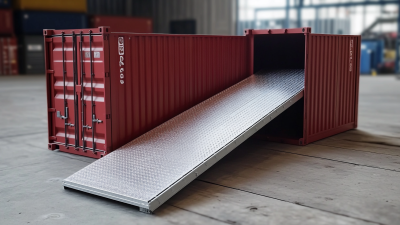
Key Features to Compare When Choosing a Container Ramp

Choosing among the best shipping container ramps starts with the job, not the product list. A ramp for pallet jacks needs different strength and width than one used with forklifts. Measure the container opening, loading height, and available ground space before comparing models. Measure twice. A small height error can create a steep approach and make a loaded pallet unstable. In my site inspections, uneven ground causes more trouble than advertised ramp length.

Load capacity is the first technical checkpoint, but it should not be the only one. Compare rated capacity with the combined weight of the equipment, cargo, and operator. Ask whether the rating applies to a centered load or a moving wheel load. Check the ramp angle, usable width, side curbs, and traction surface. Raised edges help keep wheels aligned, while perforated or textured decking can shed rain and mud. However, aggressive surfaces may damage small wheels. That trade-off deserves a real test.

Look closely at the transition lip. It should meet the container floor without a sharp step or rocking movement. Verify locking pins, safety chains, handles, folding parts, and storage points before purchase. Steel offers substantial strength, while lighter alloys improve carrying and setup. Neither choice is automatically better. Inspect welds, hinges, and corrosion protection, especially after outdoor use. I once focused too heavily on capacity and overlooked the ramp’s awkward storage footprint. The ramp worked, but daily handling became inefficient. Request clear maintenance guidance and inspection intervals from the supplier.

10 Best Shipping Container Ramps for Easy Loading? - Key Features to Compare When Choosing a Container Ramp

No. Ramp Type Typical Length Usable Width Typical Capacity Main Material Approx. Weight Best Use Key Features to Compare
1 Heavy-Duty Yard Ramp 8–10 m 2.0–2.2 m 6,000–15,000 kg Steel 1,000–2,000 kg Forklifts and pallet trucks entering containers from ground level. Rated load, ramp angle, adjustable support legs, safety chains, traction surface, and forklift pocket design.
2 Portable Steel Container Ramp 2.4–3.0 m 1.0–1.5 m 3,000–8,000 kg Steel 180–450 kg Frequent loading and unloading where durability is more important than portability. Weld quality, anti-slip surface, retaining lip, side curbs, corrosion protection, and rated point load.
3 Aluminum Folding Ramp 1.8–3.0 m 0.7–1.0 m 450–1,000 kg Aluminum 20–55 kg Hand trucks, carts, motorcycles, and light equipment. Folded size, carrying handles, hinge strength, surface grip, edge protection, and distributed-load rating.
4 Telescopic Aluminum Ramp 1.5–3.0 m 0.25–0.35 m per track 250–600 kg per pair Aluminum 12–35 kg per pair Compact loading of scooters, small machinery, and wheeled equipment. Locking pins, extension stability, track spacing, maximum tire width, side rails, and correct pair alignment.
5 Container Door Threshold Ramp 0.6–1.2 m 0.8–1.5 m 1,000–3,000 kg Steel or aluminum 35–120 kg Bridging the small height difference at a container doorway or dock edge. Overall height, lip depth, underside clearance, anti-slip finish, edge stops, and compatibility with the door sill.
6 Flat Plate Bridge Ramp 1.2–2.4 m 0.8–1.5 m 1,000–5,000 kg Steel 60–250 kg Pallet jacks and low-clearance equipment crossing a short gap. Plate thickness, concentrated wheel-load rating, anti-slip pattern, beveled ends, and securing method.
7 Adjustable-Height Yard Ramp 8–12 m 2.0–2.2 m 6,000–12,000 kg Steel 1,200–2,200 kg Sites with different container, trailer, or dock heights. Height range, hydraulic or mechanical adjustment, locking system, support-leg capacity, and maximum operating slope.
8 Single-Piece Steel Loading Ramp 2.4–4.0 m 0.9–1.5 m 2,000–6,000 kg Steel 150–550 kg Regular loading of wheeled machinery where a permanent, rigid ramp is preferred. Length-to-height ratio, structural bracing, side curbs, lifting points, surface coating, and storage requirements.
9 Modular Container Dock Ramp 6–10 m 1.8–2.2 m 5,000–10,000 kg Steel 800–1,800 kg Warehouses requiring a reusable loading platform around containers. Module connection strength, platform height, leveling, transportability, guardrails, and maintenance access.
10 Lightweight Composite Ramp 1.8–3.0 m 0.7–1.0 m 300–1,000 kg Fiber-reinforced composite 20–70 kg Temporary loading of carts, compact equipment, and light vehicles. Weather resistance, deflection under load, edge durability, UV stability, grip in wet conditions, and storage size.

Comparison note: Capacities and dimensions are typical ranges for commercially used container-ramp designs. Confirm the manufacturer’s certified rating, surface condition, support arrangement, wheel load, container-floor height, and required operating angle before use.

10 Best Shipping Container Ramps for Safe and Easy Loading

The best shipping container ramp makes loading safer, faster, and less tiring. In my experience, the right choice depends on cargo weight, vehicle height, and available storage space. Ten useful options include portable steel ramps, aluminum ramps, folding ramps, telescoping ramps, adjustable-height ramps, threshold ramps, dock plates, modular yard ramps, forklift ramps, and heavy-duty machinery ramps. Each design solves a different loading problem.

Steel ramps handle demanding work and resist daily impact. Aluminum ramps are lighter and easier to move by hand. Folding and telescoping models save space inside crowded work areas. Adjustable ramps can match uneven ground, but their locking parts require careful inspection. Dock plates help bridge small gaps, while yard ramps support repeated vehicle access. Forklift and machinery ramps need accurate load ratings. A ramp may look strong, yet its surface can become slippery after rain. That detail is easy to miss.

Tips: Measure the container lip, truck bed, and ramp length before buying. Keep the approach level whenever possible. Use raised side edges and a textured surface for better control. Check welds, hinges, pins, and fasteners before every shift. Never exceed the stated capacity, even briefly. I once chose a ramp based only on weight rating and ignored its angle. Loading became awkward and unstable. That mistake changed my inspection routine. Good equipment helps, but careful setup still matters most.

How to Select the Right Ramp for Your Equipment and Container

Selecting the right shipping container ramp starts with the equipment, not the container. Measure the highest loading point, doorway width, and available ground space. Then calculate the working angle. A ramp that feels stable for a pallet jack may fail under a loaded forklift.

Check rated capacity carefully. Include the machine, operator, and cargo weight. Add a safety margin for uneven loading. Steel ramps suit heavy equipment, while lighter aluminum models may improve portability. Surface traction matters too. Wet metal becomes unforgiving. Choose raised edges, secure pins, and a surface designed for frequent tire contact.

The 2023 Logistics Performance Index collected 4,090 assessments across 139 economies, highlighting reliability as a core logistics measure. A dependable ramp supports that reliability through repeatable setup and safer transfers. OSHA’s material-handling guidance also emphasizes secure dockboards, proper support, and protection against movement. Those details deserve more attention than price alone.

Measure twice. Test slowly.

Before regular use, inspect welds, hinges, lips, and contact points. Confirm the ramp sits fully on the container threshold and ground surface. Never assume a published capacity covers dynamic impact. A sudden stop can shift the load dramatically. I would also test the ramp with the heaviest planned equipment, not an empty unit. That extra step takes minutes, but skipping it can expose a costly weakness.

Safe Setup, Operation, and Maintenance of Shipping Container Ramps

Choosing among the 10 best shipping container ramps starts with the ground, not the ramp. A level, compact surface reduces movement during loading. Check the ramp’s rated capacity against the heaviest equipment and cargo. Include the operator, pallet, and handling vehicle in that calculation. A narrow ramp can create dangerous wheel-edge pressure. Measure container height and ramp width before delivery.

Place the upper lip fully on the container floor. It should sit flat, without rocking or visible gaps. Secure the ramp according to its instructions and inspect the contact points. Keep the approach straight and clear of loose gravel, oil, and standing water.

I have seen small stones shift a ramp during a busy loading cycle. That mistake is easy to overlook. Use a spotter when visibility is limited, especially near the container doorway. Keep people away from the sides and never allow anyone beneath a raised ramp.

Operate slowly. Avoid sudden braking, sharp turns, and loads that exceed the marked limit. Workers should wear suitable footwear and maintain three points of contact when walking. Recheck the ramp after temperature changes, rain, or repeated impacts. Look for bent edges, cracked welds, worn hinges, and damaged locking parts. Clean mud from the surface before it hardens. A written inspection log improves consistency, although crews may forget it during rushed shifts. That weakness deserves attention. Remove damaged equipment from service until a qualified person assesses it against the applicable safety requirements.