Choosing the 2026 best Abrasive Flap Disc requires more than comparing grit numbers or online prices. Global buyers need evidence from real grinding conditions, consistent manufacturing, and dependable supply. A disc that performs smoothly on stainless steel may wear quickly on mild steel. Another may remove welds rapidly but leave a rougher finish. Small differences matter.
This guide examines flap disc performance through practical purchasing criteria. We will compare zirconia alumina, ceramic, and aluminum oxide grains. Backing strength, flap density, grit range, disc diameter, and maximum RPM also deserve attention. During workshop testing, operators should observe cutting speed, vibration, heat buildup, edge wear, and surface finish. A comfortable disc can reduce fatigue during long weld-cleaning sessions. It may also improve work consistency.
Look closely.
For international buyers, product reliability includes more than abrasive performance. Batch consistency, packaging quality, technical data, traceability, and responsive supplier support can prevent costly delays. Buyers should confirm compatibility with their angle grinders and review applicable regional safety requirements. Certification claims must be checked against original documents, not assumed from attractive labels. Some suppliers provide impressive specifications but limited test evidence. That weakness should not be ignored.
No single disc wins every task. Cost-per-disc can also mislead when a cheaper product wears twice as fast. This review therefore focuses on measurable value, realistic workshop use, and informed comparison. The final choice should match the material, workload, operator expectations, and purchasing conditions of each market.
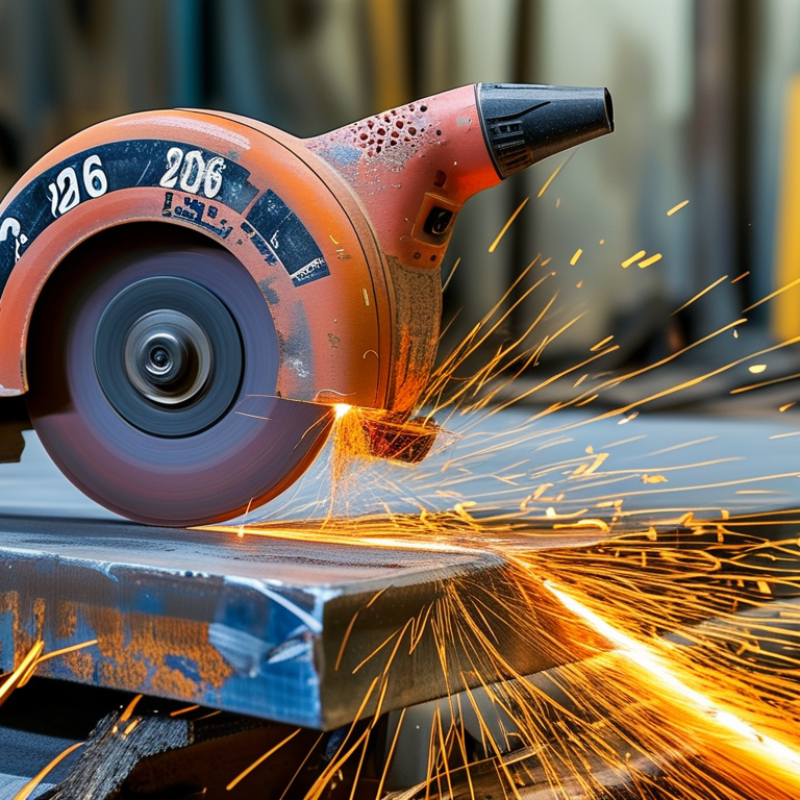
An abrasive flap disc is a layered grinding tool made from overlapping abrasive-coated flaps. These flaps attach to a rigid backing plate and form a flexible working surface. When the disc spins, each flap removes a small amount of metal. The overlapping design spreads wear across many abrasive surfaces.
Unlike a rigid grinding wheel, a flap disc can cut, blend, and finish with less aggressive contact. Its angled flaps conform to weld beads and curved edges. Alumina suits general steel work, while zirconia usually handles heavier stock removal. Ceramic grains can maintain sharper cutting edges, but they often require suitable pressure and machine speed. Grand View Research’s 2024 abrasive market analysis estimates continued global growth through 2030, driven by metal fabrication, transportation, and construction demand. That trend does not make every disc suitable for every job.
In practical use, operators should match grit, disc diameter, backing type, and rated speed to the material. FEPA safety guidance emphasizes correct mounting, inspection, and personal protection. A 40-grit disc may remove a weld quickly, but it can leave deep scratches that require extra finishing. I have found that excessive pressure shortens flap life and creates unnecessary heat. The surface may look smooth, yet hidden stress or uneven blending can remain. This is where product selection becomes less certain. Test a small area first. Keep the disc moving. Never assume a higher removal rate means better work.
| Data Dimension | Typical Industry Data | How It Works or Why It Matters | Buyer Selection Guidance |
|---|---|---|---|
| Product definition | A coated-abrasive wheel made from overlapping abrasive cloth flaps fixed around a backing plate. | The flaps continuously expose fresh abrasive grains as the outer layers wear, helping maintain a consistent cutting and finishing action. | Choose a flap disc when both material removal and surface finishing are required with one tool. |
| Primary applications | Weld blending, deburring, edge rounding, rust removal, paint removal, surface preparation, and light stock removal. | The flexible flaps conform better than rigid grinding wheels to curved or uneven surfaces. | For heavy material removal, compare stock-removal rate with the required final surface quality. |
| Common disc diameters | 100, 115, 125, 150, 180, and 230 mm; 115 mm and 125 mm are widely used on compact angle grinders. | A larger diameter generally covers more area but requires a compatible grinder and guard. | Match the disc diameter to the grinder guard, spindle, rated speed, and local safety requirements. |
| Common bore sizes | Typically 22.23 mm for many 115–230 mm angle-grinder discs; other sizes are used in some regional markets. | The bore must seat correctly on the grinder spindle to prevent vibration and unsafe mounting. | Verify the exact bore, adapter requirements, and spindle thread before ordering. |
| Disc configuration | Type 27 flat discs are used for flat surfaces; Type 29 conical discs are angled for greater contact on contours and edges. | The disc geometry changes the contact area, working angle, and balance between removal and finishing. | Select Type 27 for controlled flat finishing and Type 29 for faster work on contoured areas. |
| Abrasive grain: aluminum oxide | A general-purpose grain for carbon steel, mild steel, and general metalworking. | It offers a balanced combination of cost, cutting performance, and suitability for routine applications. | A practical choice for standard fabrication, maintenance, and occasional grinding work. |
| Abrasive grain: zirconia alumina | A self-sharpening grain commonly used for stainless steel and demanding steel stock removal. | Fracturing grain structures expose new sharp cutting points under suitable pressure. | Consider it for higher productivity, harder metals, and longer useful life than standard aluminum oxide. |
| Abrasive grain: ceramic alumina | A high-performance grain intended for aggressive cutting and difficult-to-grind alloys. | Its micro-fracturing behavior can maintain sharp cutting points when the disc is used with sufficient pressure. | Best evaluated for intensive production work where throughput can justify a higher purchase price. |
| Abrasive grain: silicon carbide | A sharp, friable grain often selected for aluminum, non-ferrous metals, stone, glass, and some finishing applications. | The sharp grain cuts relatively cleanly but may wear faster on tough ferrous-steel applications. | Confirm the disc is specifically rated for the target material, especially soft aluminum and masonry-related work. |
| Common grit grades | P24–P40 for aggressive removal; P60–P80 for blending and general finishing; P100–P120 for finer finishing. | Lower grit numbers use larger abrasive particles and remove material faster; higher grit numbers leave a finer finish. | Use the coarsest grit that meets the finish requirement to reduce working time without creating unnecessary scratches. |
| Backing plate materials | Fiberglass, plastic, and other reinforced backing systems are commonly used. | The backing supports the flaps, transfers pressure, and affects stiffness, weight, and access to tight areas. | Choose a stiffer backing for controlled stock removal and a more flexible design for curved surfaces. |
| Flap density | Higher flap counts generally provide more abrasive surface area and a smoother, more controlled action. | Lower flap counts expose more space between flaps and may feel more aggressive; higher counts can improve finishing consistency. | Select higher density for finishing and lower density when faster initial stock removal is the priority. |
| Suitable work materials | Carbon steel, stainless steel, cast iron, aluminum, other non-ferrous metals, wood, and selected composites. | Grain type, backing, loading resistance, and lubrication requirements vary by material. | Use a disc explicitly marked for stainless steel or aluminum when contamination or loading is a concern. |
| Typical maximum peripheral speed | Many flap discs are rated around 80 m/s, but the exact limit depends on the product and diameter. | Peripheral speed increases with grinder RPM and disc diameter, so exceeding the marked limit can be hazardous. | Never exceed the lower of the disc rating and the grinder’s rated speed; always follow the product label. |
| Recommended working angle | Usually about 5°–15° for controlled surface contact, subject to disc design and manufacturer instructions. | A shallow angle uses the flap surface effectively and helps prevent uneven wear or edge damage. | Avoid forcing the disc onto its edge or using a grinding angle outside the stated instructions. |
| Cutting versus grinding | A flap disc is designed for surface grinding and finishing, not for cutting through metal. | The layered flap construction is not intended to withstand the side loads and thin kerf requirements of a cutting wheel. | Use a dedicated cutting-off wheel for cutting operations and a flap disc for blending or finishing. |
| Main performance indicators | Material removal rate, surface roughness, service life, vibration, heat generation, and resistance to abrasive loading. | Performance depends on grain, grit, flap density, backing design, pressure, RPM, and workpiece material. | Compare total cost per finished workpiece rather than purchase price alone. |
| Heat control | Flap discs generally generate less concentrated heat than rigid grinding wheels because the flaps provide some compliance. | Reduced heat concentration can help limit discoloration and distortion, although excessive pressure can still overheat the workpiece. | For stainless steel and thin sections, use light pressure, suitable grit, and intermittent passes. |
| Safety requirements | Use eye and face protection, hearing protection, suitable gloves, protective clothing, a compatible guard, and a correctly rated grinder. | Abrasive work creates sparks, dust, noise, and high-speed debris; damaged or incorrectly mounted discs can fail. | Inspect the disc before use, keep the guard fitted, secure the workpiece, and follow applicable local safety standards. |
| Storage conditions | Store flat or as instructed, in a dry indoor area away from moisture, extreme temperatures, chemicals, and physical damage. | Humidity and deformation can weaken the backing or affect disc balance and abrasive performance. | Request moisture-resistant packaging and clear lot or date information for international shipments. |
| Best all-purpose configuration | 125 mm, Type 27, P60 or P80, aluminum oxide for routine steel work. | This configuration balances accessibility, control, general stock removal, and surface blending. | Use it as a baseline specification, then upgrade grain type or change grit for specialized materials and finishes. |
| Best configuration for stainless steel | Zirconia alumina or ceramic alumina, commonly P40–P80, with a stainless-steel-compatible specification. | Sharper, more durable grains can remove weld discoloration and material while reducing premature dulling. | Select products designed to minimize ferrous contamination and avoid excessive pressure or heat. |
| Best configuration for fine finishing | P80–P120, higher flap density, and a suitable fine-grade abrasive for the workpiece. | Smaller grains and greater flap coverage produce a more uniform finish with less aggressive scratching. | Use progressively finer grits when a consistent cosmetic finish is required. |
Note: Specifications are typical industry ranges. Always verify the disc label, grinder instructions, application suitability, and applicable safety requirements before use.