2026 Top Frequency Converter Trends for Global Buyers?
As the demand for efficient energy solutions increases, Frequency Converters play a crucial role in modern industries. These devices facilitate the control of electric motor speed and torque, resulting in optimized performance. In 2026, global buyers must stay informed about emerging trends in frequency converter technology. Understanding these trends will enable businesses to make informed purchasing decisions.
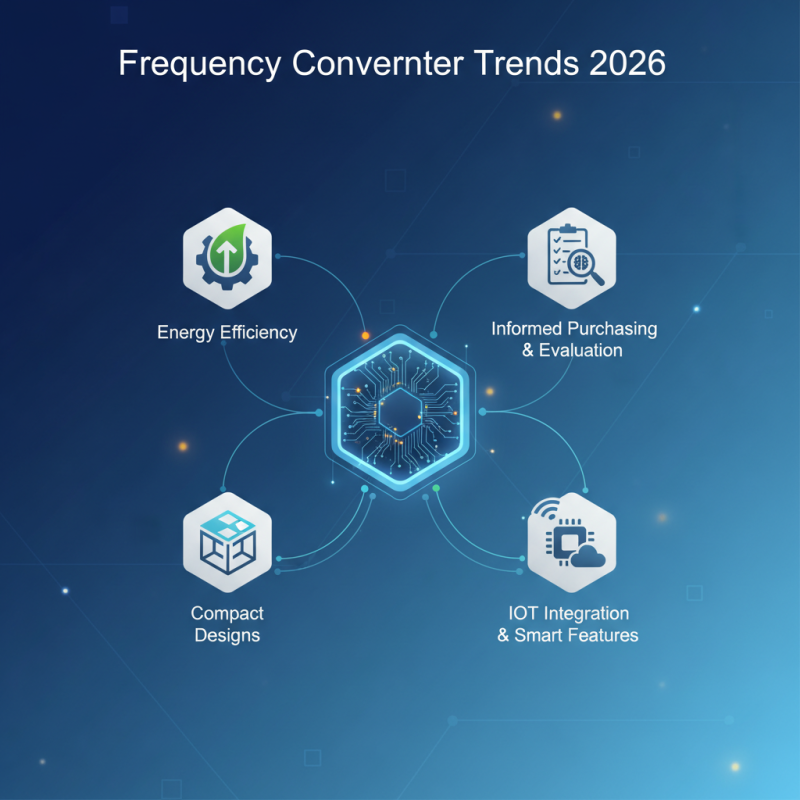
Recent advancements in frequency converters focus on energy efficiency and compact designs. Manufacturers are introducing smarter, more adaptable models, responding to specific industrial needs. Additionally, the integration of IoT capabilities is becoming a common feature. Buyers should consider these innovations to enhance operational performance.
However, the market is not without challenges. Buyers may find it difficult to navigate the vast array of options. It's essential to evaluate each product's specifications and reliability before making a decision. Awareness of ongoing trends can significantly impact purchasing strategies, leading to more informed and effective choices in the frequency converter landscape.
Emerging Technologies in Frequency Converters for 2026
The frequency converter industry is evolving rapidly. Emerging technologies are reshaping how these devices function. New methods in semiconductor technology enhance efficiency. Advanced algorithms now allow for real-time monitoring and adaptation. This means converters are not just static devices but intelligent systems.
Wireless connectivity is another trend. It enables remote diagnostics and maintenance. With this, users can monitor performance from afar. However, reliance on networks raises concerns about data security. Hackers may target these systems to disrupt operations. Buyers need to consider this risk.
Sustainability plays a crucial role too. Eco-friendly materials are now being integrated. This reduces the overall carbon footprint. Yet, these materials sometimes compromise durability. The challenge lies in balancing eco-friendliness with performance. Keeping pace with innovation is vital in this competitive market.
Impact of Renewable Energy on Frequency Converter Demand
The shift towards renewable energy sources is creating a significant impact on frequency converter demand. As more countries commit to carbon neutrality, renewable energy generation is on the rise. According to a report from the International Renewable Energy Agency, renewable energy capacity increased by over 10% in 2022. This growing capacity drives demand for frequency converters, essential for integrating variable power from wind and solar into stable grids.
Frequency converters play a vital role in managing the fluctuations of renewable sources. They ensure efficient energy conversion and grid stability. A study by GlobalData predicts that the frequency converter market will grow by 7% annually, reaching over $5 billion by 2026. This trend reflects the need for advanced technology solutions that can handle the complexities of renewable integration.
However, challenges remain. The transition to renewable energy can lead to increased grid instability. This poses risks for equipment and that demands continuous improvements in frequency converter efficiency. Moreover, as the market expands, manufacturers must adapt to evolving regulations and technological advancements. Balancing supply and demand while ensuring reliability is a complex task that requires ongoing adaptation and innovation in frequency converter technology.
Market Analysis: Key Players in the Frequency Converter Sector
The frequency converter market is projected to evolve significantly by 2026. This dynamic sector includes various key players who are investing heavily in technology. Their efforts focus on enhancing efficiency and reducing energy consumption. Many manufacturers are also prioritizing user-friendly designs while meeting international standards.
Major contributors to the frequency converter sector are diversifying their products. They aim to cater to various industries, including renewable energy and automation. Innovation is essential, but gaps remain in integrating advanced features. Some companies struggle with balancing cost and functionality, creating room for potential improvement.
The competitive landscape is shifting. Smaller firms often emerge with niche solutions that challenge traditional players. These developments highlight a transition toward more sustainable options. However, challenges like supply chain disruptions and volatile raw material prices persist. Effective strategies are needed to navigate these hurdles. As the market continues to grow, stakeholders must remain adaptable to these changing dynamics.
Innovative Features and Efficiency Improvements in Modern Frequency Converters
Modern frequency converters are evolving, driven by innovation and efficiency. These devices now feature advanced algorithms that help in optimizing energy consumption. Improved thermal management systems allow for better heat dissipation, which contributes to enhanced device longevity. Global buyers are increasingly interested in these innovations, as they promise significant cost savings and reduced environmental impact.
Another notable trend is the integration of IoT technology. Frequency converters can now communicate with other devices, providing real-time data on performance and energy usage. This connectivity enables proactive maintenance, which can prevent unexpected failures. However, as beneficial as this technology is, it also raises concerns about cybersecurity vulnerabilities.
In terms of design, compact sizes and lightweight materials are now standard. This makes installations simpler and more adaptable to various settings. Despite these advancements, it is essential to remain aware of the challenges. Transitioning to new technologies takes time and may require staff training, which can be overlooked. Embracing these innovations should be a balanced approach, weighing benefits against potential obstacles.
Future Challenges and Opportunities for Frequency Converter Manufacturers
Frequency converter manufacturers face a dynamic landscape. They must navigate technological advancements and changing market demands. The increasing push for energy efficiency is a significant challenge. Buyers are looking for systems that reduce energy consumption and carbon footprints. Adapting to these needs can be daunting for manufacturers.
In addition, competition is intensifying. Manufacturers must innovate continuously to retain market share. Many companies lack the resources to invest in research and development adequately. This gap can hinder their ability to produce cutting-edge solutions. Also, regulatory changes are adding to the complexity. Compliance with international standards demands time and expertise.
Cost management remains a crucial factor. Many manufacturers struggle to balance quality and affordability. Efficient production processes are vital yet challenging to implement. Companies should focus on lean manufacturing techniques to streamline operations. Additionally, partnerships and collaborations can enhance technological capabilities. Real-world industry partnerships might foster more innovative solutions. Urbanization and the rise of smart cities present new opportunities. However, manufacturers must adapt quickly.
2026 Top Frequency Converter Trends for Global Buyers
This chart illustrates the projected market growth and adoption rates of frequency converters across various industries by 2026. The trends identify key sectors driving demand, including renewable energy, industrial automation, and electric vehicles.